






Top Benefits of Using Granite Components in Manufacturing Machinery
2026-02-17
Top Benefits of Using Granite Components in Manufacturing Machinery
Understanding Granite in Manufacturing Machinery
Granite has long been revered in various industries for its durability and aesthetic appeal. In the realm of manufacturing machinery, granite components are increasingly recognized for their significant contributions to precision engineering and operational efficiency. This article delves into the myriad benefits of using granite components in manufacturing machinery, outlining why this natural stone is becoming a preferred choice for manufacturers worldwide.
The Unique Properties of Granite
Granite is an igneous rock composed mainly of quartz, feldspar, and mica. Its unique properties make it a valuable material in the manufacturing industry.
1. Exceptional Hardness and Durability
Granite is known for its exceptional hardness, ranking high on the Mohs scale of mineral hardness. This characteristic ensures that granite components can withstand significant wear and tear, making them ideal for manufacturing machinery that operates in demanding environments. The durability of granite translates to lower maintenance costs and a longer lifespan for machinery, allowing businesses to maximize their return on investment.
2. Superior Thermal Stability
Granite is resistant to thermal expansion and contraction, making it ideal for environments with fluctuating temperatures. This stability is crucial for precision machinery, where even minor changes in material dimensions can lead to significant errors. The thermal stability of granite ensures consistent performance and reliable operation, which is vital for maintaining production efficiency.
3. Resistance to Corrosion and Chemicals
Manufacturing environments often expose machinery to various chemicals and corrosive substances. Granite’s inherent resistance to corrosion makes it a preferred choice for components that need to endure harsh conditions. This resistance not only extends the life of the machinery but also minimizes the risk of costly downtimes due to component failure.
The Advantages of Granite Components in Manufacturing Machinery
Utilizing granite components in manufacturing machinery comes with a plethora of benefits that can enhance operational efficiency and product quality.
1. Enhanced Precision and Accuracy
Granite provides a stable and rigid base for machinery components, which is essential for achieving high levels of precision. The smooth surface of granite allows for the accurate placement of machine parts, reducing the likelihood of misalignment. This level of accuracy is critical in industries where precision is paramount, such as aerospace and automotive manufacturing.
2. Improved Vibration Damping
Machinery often generates vibrations that can affect performance and accuracy. Granite has excellent vibration-damping properties, which help stabilize machinery during operation. By absorbing vibrations, granite components prevent operational disruptions and ensure consistent performance, thereby improving overall productivity.
3. Cost-Effectiveness in the Long Run
While granite components may have a higher initial cost compared to traditional materials, the long-term benefits far outweigh the initial investment. The durability, low maintenance requirements, and extended lifespan of granite components contribute to significant cost savings over time. Manufacturers can allocate resources more efficiently by reducing downtime and maintenance costs.
Applications of Granite Components in Manufacturing Machinery
Granite’s versatility allows it to be used across various sectors within the manufacturing industry. Here are some common applications:
1. Machine Tool Bases
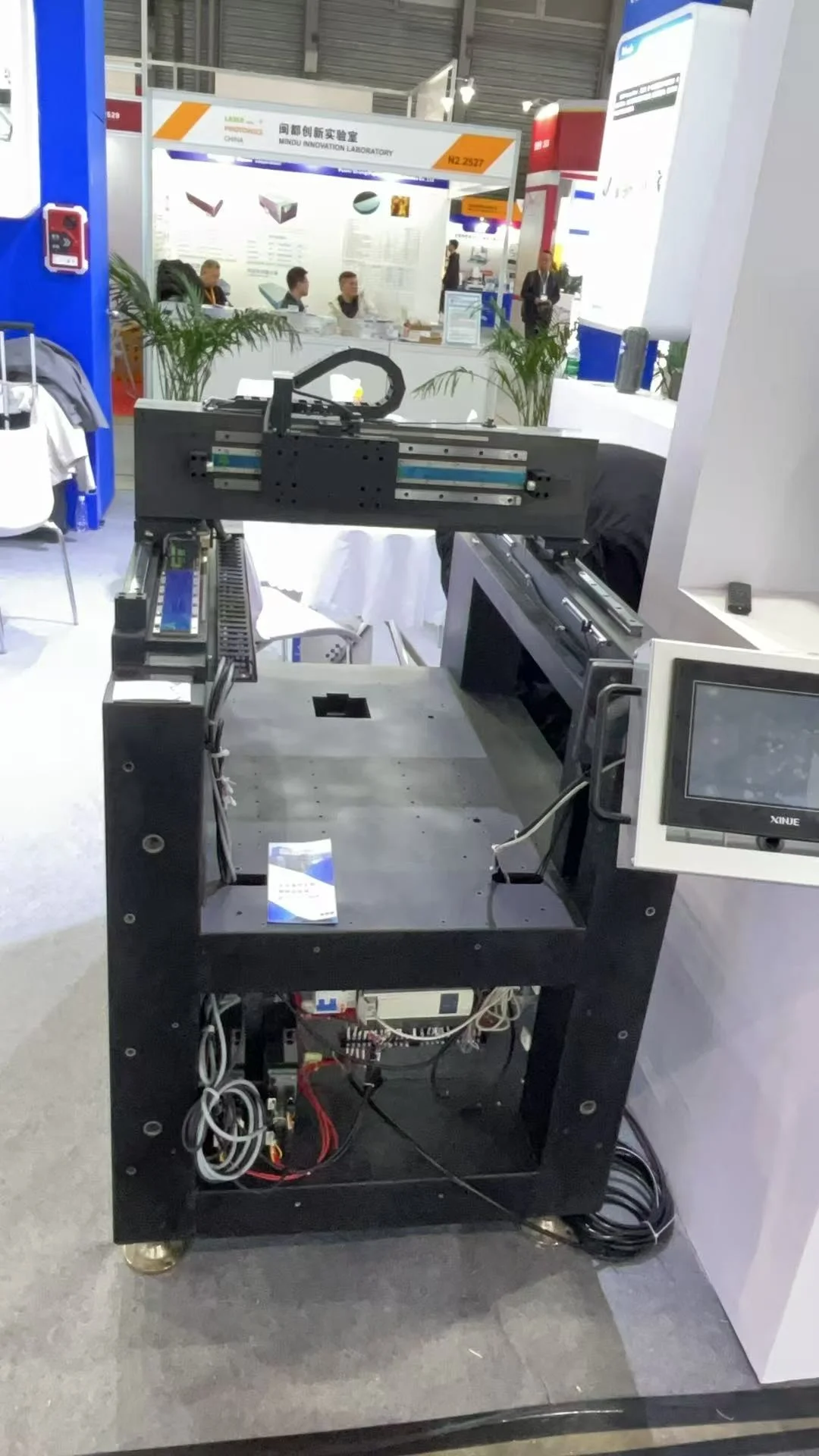
Granite is often used as a base for machine tools such as lathes and milling machines. The stability and rigidity of granite provide a solid foundation for high-precision machining, ensuring that components are produced with maximum accuracy.
2. Inspection Tables
Granite inspection tables are widely used in quality control processes. The flat and smooth surface of granite allows for precise measurements and inspections, ensuring that manufactured parts meet stringent quality standards.
3. Jigs and Fixtures
Granite is also employed in the production of jigs and fixtures, which are essential for holding workpieces in place during machining processes. The stability of granite ensures that these components remain in position, enhancing the accuracy of the machining operations.
Comparing Granite with Other Materials
When considering materials for manufacturing machinery components, it’s important to compare granite with alternatives such as steel and polymer composites.
1. Granite vs. Steel
While steel is strong and durable, it is more susceptible to corrosion and deformation under high temperatures. Granite’s resistance to these issues makes it a superior choice for many applications, particularly in environments where precision and stability are critical.
2. Granite vs. Polymer Composites
Polymer composites may offer lighter weight but often lack the rigidity and thermal stability of granite. For manufacturing machinery that requires high precision and stability, granite components are often the better option.
Tips for Implementing Granite Components in Manufacturing
Integrating granite components into manufacturing processes requires careful planning and consideration. Here are some tips to ensure successful implementation:
1. Assess the Specific Needs of Your Machinery
Evaluate the specific requirements of your manufacturing machinery. Identify the components that would benefit most from granite’s unique properties and determine the optimal specifications.
2. Partner with Reputable Suppliers
When sourcing granite components, it’s crucial to work with reputable suppliers who can provide high-quality materials. Quality granite will ensure that you reap the maximum benefits from your investment.
3. Train Your Team on Maintenance Practices
While granite components are low maintenance, it’s essential to train your team on best practices for care and upkeep. Regular inspections and proper cleaning techniques can prolong the life of granite components.
Case Studies: Success Stories of Granite in Manufacturing
Real-world examples can illustrate the benefits of granite components in manufacturing.
1. Aerospace Industry Success
A leading aerospace manufacturer replaced traditional steel bases with granite for their CNC machines. The result was improved precision, reduced vibration, and a significant decrease in production errors, leading to substantial cost savings.
2. Automotive Manufacturing Efficiency
An automotive parts manufacturer integrated granite inspection tables into their quality control process. The increased accuracy of measurements led to a noticeable reduction in rework and scrap rates, optimizing production efficiency.
FAQs About Granite Components in Manufacturing Machinery
1. What is the lifespan of granite components in manufacturing machinery?
Granite components can last significantly longer than traditional materials, often exceeding several decades with proper care.
2. Are granite components expensive?
While the initial investment may be higher, granite components provide long-term savings through reduced maintenance and increased machinery lifespan.
3. How do granite components compare to composite materials in terms of precision?
Granite components are generally superior to composite materials in terms of stability and precision, making them more suitable for high-accuracy applications.
4. Is granite suitable for all types of machinery?
While granite is ideal for many applications, it’s essential to assess the specific requirements of your machinery to determine suitability.
5. Can granite components be customized for specific machinery needs?
Yes, granite components can often be customized to meet the specific dimensions and requirements of various machinery applications.
Conclusion
Incorporating granite components in manufacturing machinery presents numerous benefits, from enhanced precision and durability to long-term cost effectiveness. As industries continue to seek ways to optimize their operations, granite stands out as a reliable and efficient choice. By leveraging the unique properties of granite, manufacturers can improve their processes, reduce downtime, and enhance product quality, ultimately leading to a competitive advantage in the marketplace.
Related Blog


Industrial Linear Motion Solution
Got questions? – get in touch