






The Role of Marble Mechanical Components in Metal Processing Machinery
2026-02-18
Marble mechanical components are increasingly recognized for their unique properties and advantages in the manufacturing and metal processing industries. These components, made from high-quality marble, have been employed in various applications due to their inherent characteristics, which make them suitable for a wide range of mechanical functions.
One of the most significant attributes of marble is its excellent dimensional stability. When incorporated into mechanical components, marble can maintain its shape and size under varying temperature and pressure conditions. This stability is crucial in manufacturing processes that require precision, such as machining and milling. Engineers and designers can rely on marble components to provide the necessary accuracy and consistency, minimizing the risk of errors that could lead to product defects.
Another important benefit of marble mechanical components is their exceptional resistance to wear and tear. In metal processing machinery, frequent contact with other materials can lead to significant wear on components. Marble's durability ensures a longer lifespan compared to traditional materials, thereby reducing maintenance costs and downtime. This longevity is particularly beneficial in high-volume manufacturing environments where efficiency is paramount.
Additionally, marble possesses a low coefficient of friction, which makes it an ideal choice for applications requiring sliding or rotating mechanisms. In scenarios where two parts must move against each other, using marble can enhance performance and reduce the wear typically associated with friction. This can lead to smoother operations and improved overall machinery performance.
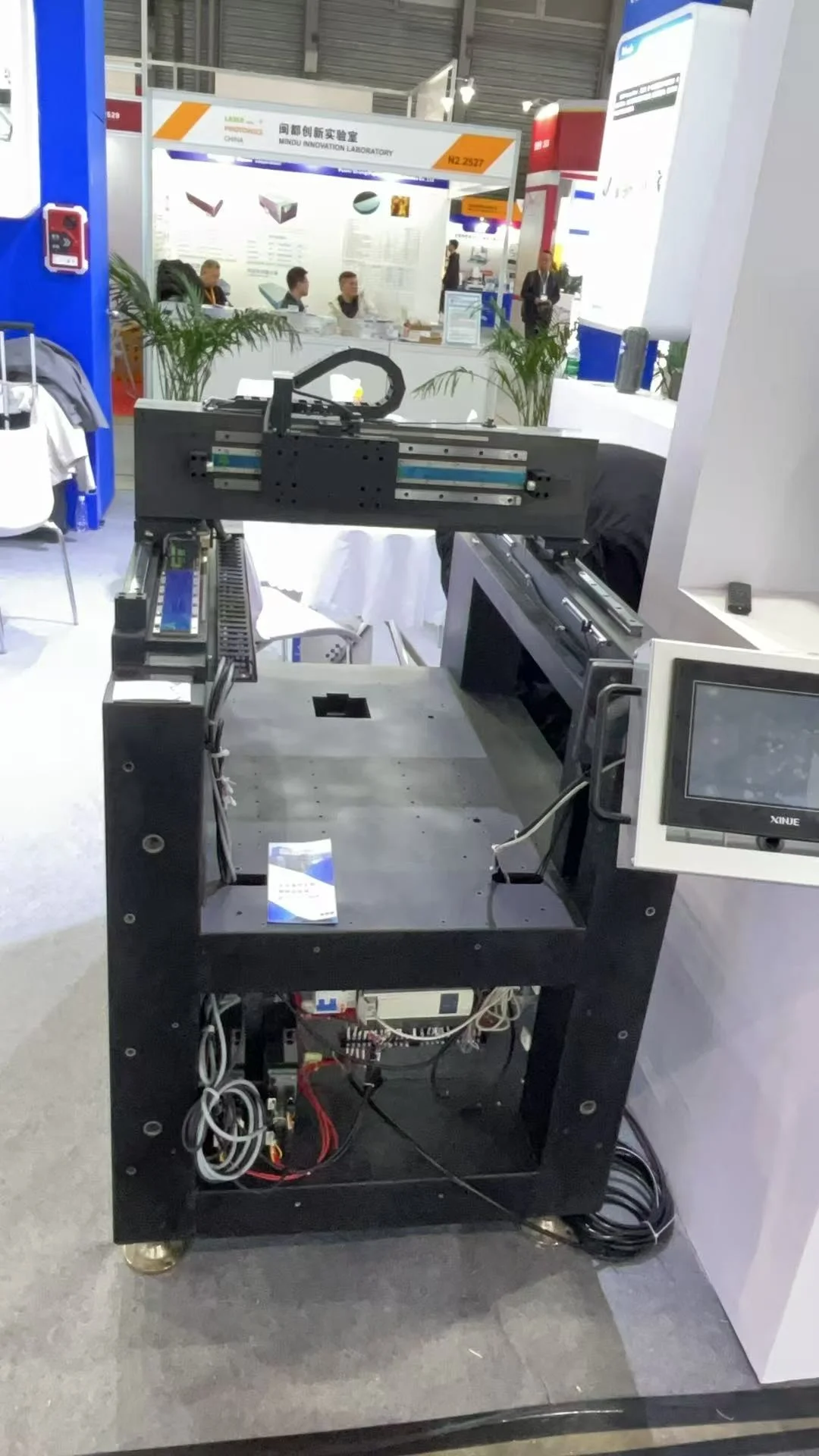
Moreover, the aesthetic appeal of marble should not be overlooked. While functionality is the primary focus in manufacturing, the visual aspect of machinery can influence customer perception. Marble components can elevate the appearance of equipment, making them more attractive in showrooms or exhibitions. This aesthetic value can play a role in marketing and sales, as customers may be drawn to machinery that looks sophisticated and modern.
In conclusion, marble mechanical components offer numerous advantages for metal processing machinery. Their dimensional stability, durability, low friction properties, and aesthetic appeal contribute to their growing popularity in the industry. For manufacturers seeking to enhance their production processes, considering the integration of marble components could lead to significant improvements in both efficiency and product quality. Embracing innovative materials like marble not only enhances functionality but also positions businesses as forward-thinking enterprises in the competitive landscape of metal processing machinery.
One of the most significant attributes of marble is its excellent dimensional stability. When incorporated into mechanical components, marble can maintain its shape and size under varying temperature and pressure conditions. This stability is crucial in manufacturing processes that require precision, such as machining and milling. Engineers and designers can rely on marble components to provide the necessary accuracy and consistency, minimizing the risk of errors that could lead to product defects.
Another important benefit of marble mechanical components is their exceptional resistance to wear and tear. In metal processing machinery, frequent contact with other materials can lead to significant wear on components. Marble's durability ensures a longer lifespan compared to traditional materials, thereby reducing maintenance costs and downtime. This longevity is particularly beneficial in high-volume manufacturing environments where efficiency is paramount.
Additionally, marble possesses a low coefficient of friction, which makes it an ideal choice for applications requiring sliding or rotating mechanisms. In scenarios where two parts must move against each other, using marble can enhance performance and reduce the wear typically associated with friction. This can lead to smoother operations and improved overall machinery performance.
Moreover, the aesthetic appeal of marble should not be overlooked. While functionality is the primary focus in manufacturing, the visual aspect of machinery can influence customer perception. Marble components can elevate the appearance of equipment, making them more attractive in showrooms or exhibitions. This aesthetic value can play a role in marketing and sales, as customers may be drawn to machinery that looks sophisticated and modern.
In conclusion, marble mechanical components offer numerous advantages for metal processing machinery. Their dimensional stability, durability, low friction properties, and aesthetic appeal contribute to their growing popularity in the industry. For manufacturers seeking to enhance their production processes, considering the integration of marble components could lead to significant improvements in both efficiency and product quality. Embracing innovative materials like marble not only enhances functionality but also positions businesses as forward-thinking enterprises in the competitive landscape of metal processing machinery.
Related Blog


Industrial Linear Motion Solution
Got questions? – get in touch