






Understanding Flat Linear Motor Modules for Metal Processing Applications
2026-02-22
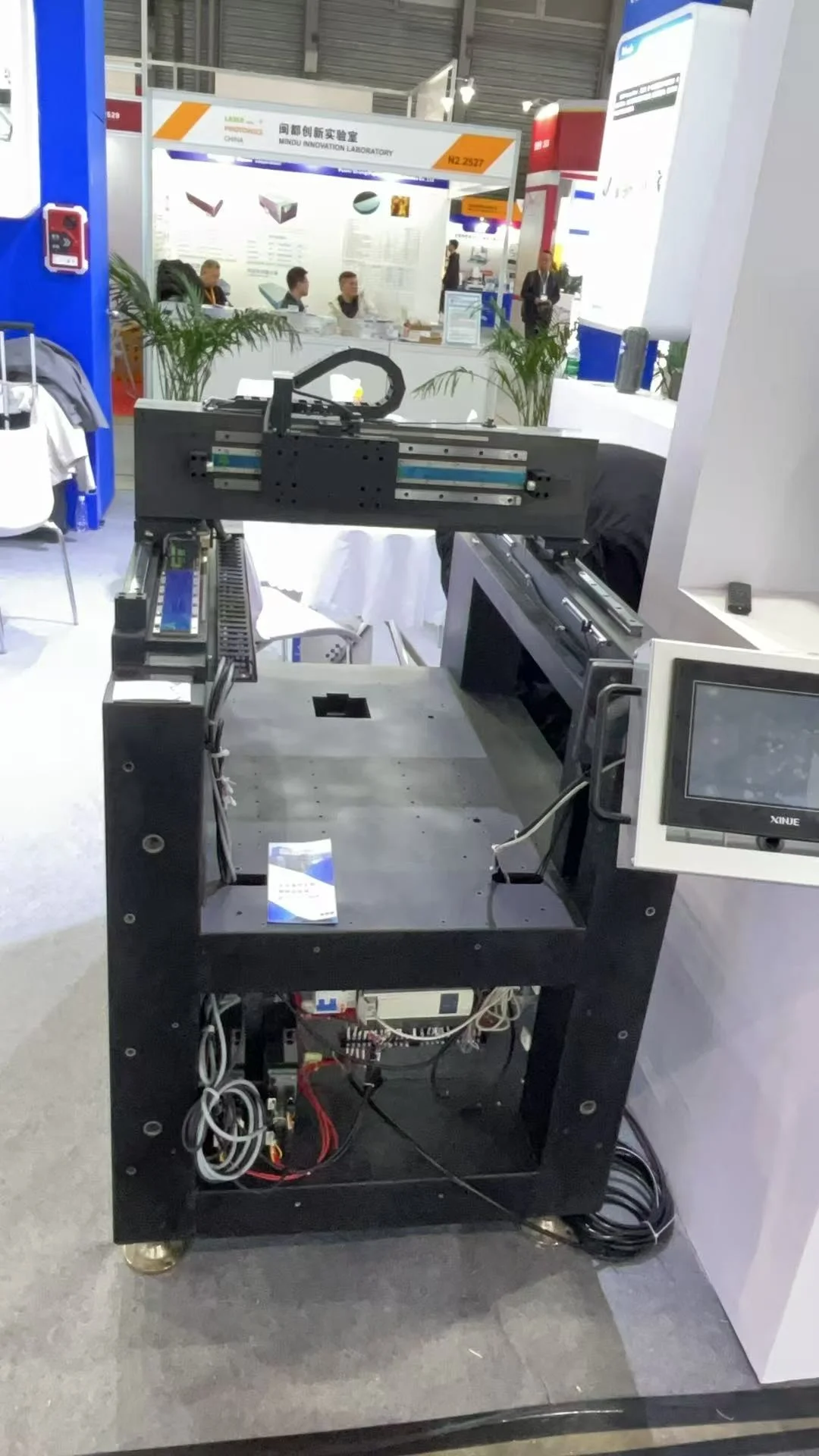
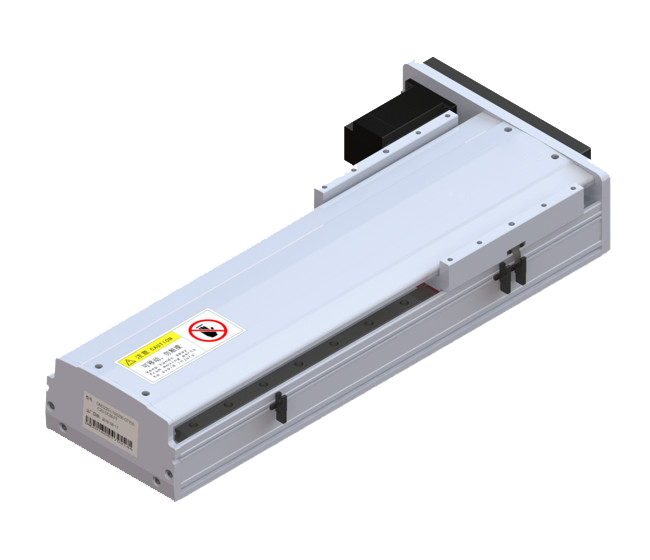
Flat linear motor modules have become integral components in modern manufacturing, particularly in metal processing applications. These innovative systems leverage electromagnetic principles to provide precise linear motion, which is essential for various machining operations. Understanding how flat linear motor modules work and their benefits can empower manufacturers to optimize their operations and improve productivity.
At the core of a flat linear motor module is its unique design, which eliminates the need for traditional mechanical components like gears and drive belts. Instead, these modules employ a direct drive mechanism that utilizes a linear motor to create motion along a flat plane. This design not only enhances the accuracy of movements but also reduces mechanical wear and maintenance requirements.
One of the primary advantages of using flat linear motor modules in metal processing is their speed and acceleration capabilities. These modules can achieve rapid positioning and high acceleration rates, which are crucial for time-sensitive operations. In environments where efficiency is paramount, such as automated machining centers or CNC applications, the implementation of flat linear motors can lead to significant time savings and throughput improvements.
Moreover, the precision offered by flat linear motor modules is unmatched. With their ability to deliver micron-level accuracy, these systems are ideal for applications that require intricate machining, such as aerospace components, medical devices, and high-precision tools. This level of accuracy minimizes the risk of errors and defects, ensuring that manufacturers can maintain high-quality standards in their output.
Another noteworthy feature of flat linear motor modules is their flexibility in integration. They can be easily incorporated into existing manufacturing setups and can be customized to meet specific operational needs. This adaptability makes them suitable for a wide range of applications, from small-scale operations to large-scale industrial setups.
In addition to their performance benefits, flat linear motor modules contribute to energy efficiency. Their direct drive design results in lower energy consumption compared to traditional motor systems, helping manufacturers reduce operational costs while also supporting sustainability initiatives.
While the introduction of flat linear motor modules may require an initial investment in technology and training, the long-term benefits often outweigh these costs. By enhancing speed, precision, and reliability, these modules can significantly improve overall productivity and competitiveness in the metal processing industry.
In conclusion, flat linear motor modules represent a significant advancement in manufacturing technology, particularly for metal processing applications. Their unique design, high-speed capabilities, and precision make them invaluable in today’s fast-paced production environments. Manufacturers looking to optimize their processes should consider the integration of flat linear motor modules to stay ahead in a competitive landscape.
At the core of a flat linear motor module is its unique design, which eliminates the need for traditional mechanical components like gears and drive belts. Instead, these modules employ a direct drive mechanism that utilizes a linear motor to create motion along a flat plane. This design not only enhances the accuracy of movements but also reduces mechanical wear and maintenance requirements.
One of the primary advantages of using flat linear motor modules in metal processing is their speed and acceleration capabilities. These modules can achieve rapid positioning and high acceleration rates, which are crucial for time-sensitive operations. In environments where efficiency is paramount, such as automated machining centers or CNC applications, the implementation of flat linear motors can lead to significant time savings and throughput improvements.
Moreover, the precision offered by flat linear motor modules is unmatched. With their ability to deliver micron-level accuracy, these systems are ideal for applications that require intricate machining, such as aerospace components, medical devices, and high-precision tools. This level of accuracy minimizes the risk of errors and defects, ensuring that manufacturers can maintain high-quality standards in their output.
Another noteworthy feature of flat linear motor modules is their flexibility in integration. They can be easily incorporated into existing manufacturing setups and can be customized to meet specific operational needs. This adaptability makes them suitable for a wide range of applications, from small-scale operations to large-scale industrial setups.
In addition to their performance benefits, flat linear motor modules contribute to energy efficiency. Their direct drive design results in lower energy consumption compared to traditional motor systems, helping manufacturers reduce operational costs while also supporting sustainability initiatives.
While the introduction of flat linear motor modules may require an initial investment in technology and training, the long-term benefits often outweigh these costs. By enhancing speed, precision, and reliability, these modules can significantly improve overall productivity and competitiveness in the metal processing industry.
In conclusion, flat linear motor modules represent a significant advancement in manufacturing technology, particularly for metal processing applications. Their unique design, high-speed capabilities, and precision make them invaluable in today’s fast-paced production environments. Manufacturers looking to optimize their processes should consider the integration of flat linear motor modules to stay ahead in a competitive landscape.
Related Blog


Industrial Linear Motion Solution
Got questions? – get in touch