






Unlocking Precision: The Advantages of High Precision Linear Motor Modules in Manufacturing
2026-02-16
High precision linear motor modules represent a significant advancement in the field of manufacturing and machining technologies. As the demand for accuracy and efficiency increases, these modules have become essential components in the design and operation of sophisticated manufacturing systems.
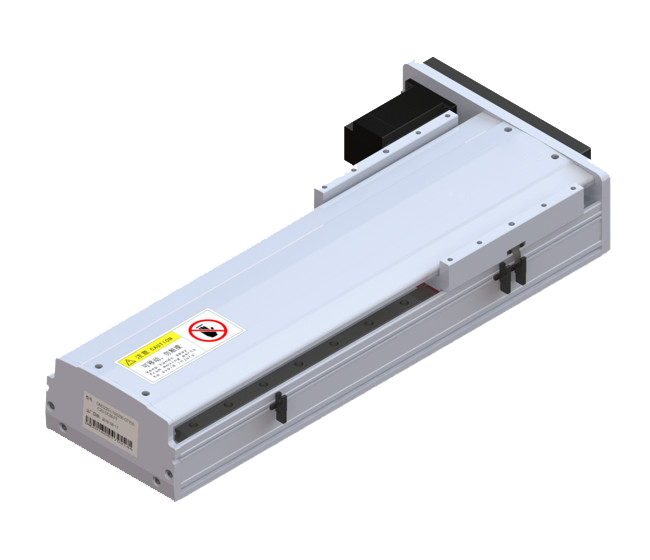
At their core, high precision linear motor modules utilize electromagnetic principles to generate linear motion with exceptional accuracy. Unlike traditional systems that rely on mechanical components such as gears and belts, linear motors eliminate the need for these elements, thereby significantly reducing wear and maintenance issues. This technology allows for smoother operation, lower friction, and enhanced responsiveness, which contributes to the overall longevity and reliability of manufacturing equipment.
One of the key advantages of high precision linear motor modules is their capability to achieve extremely tight tolerances. In industries where precision is paramount, such as aerospace, automotive, and medical device manufacturing, the ability to maintain exact specifications is crucial. These modules can achieve positioning accuracy in the micrometer range, making them ideal for applications that require meticulous attention to detail.
Additionally, high precision linear motor modules enable rapid movement and acceleration, which can drastically reduce cycle times in production processes. This increased speed not only enhances productivity but also allows manufacturers to respond more rapidly to changing market demands. With the pressure to produce high-quality products without delay, the adoption of linear motor technology can provide a competitive edge.
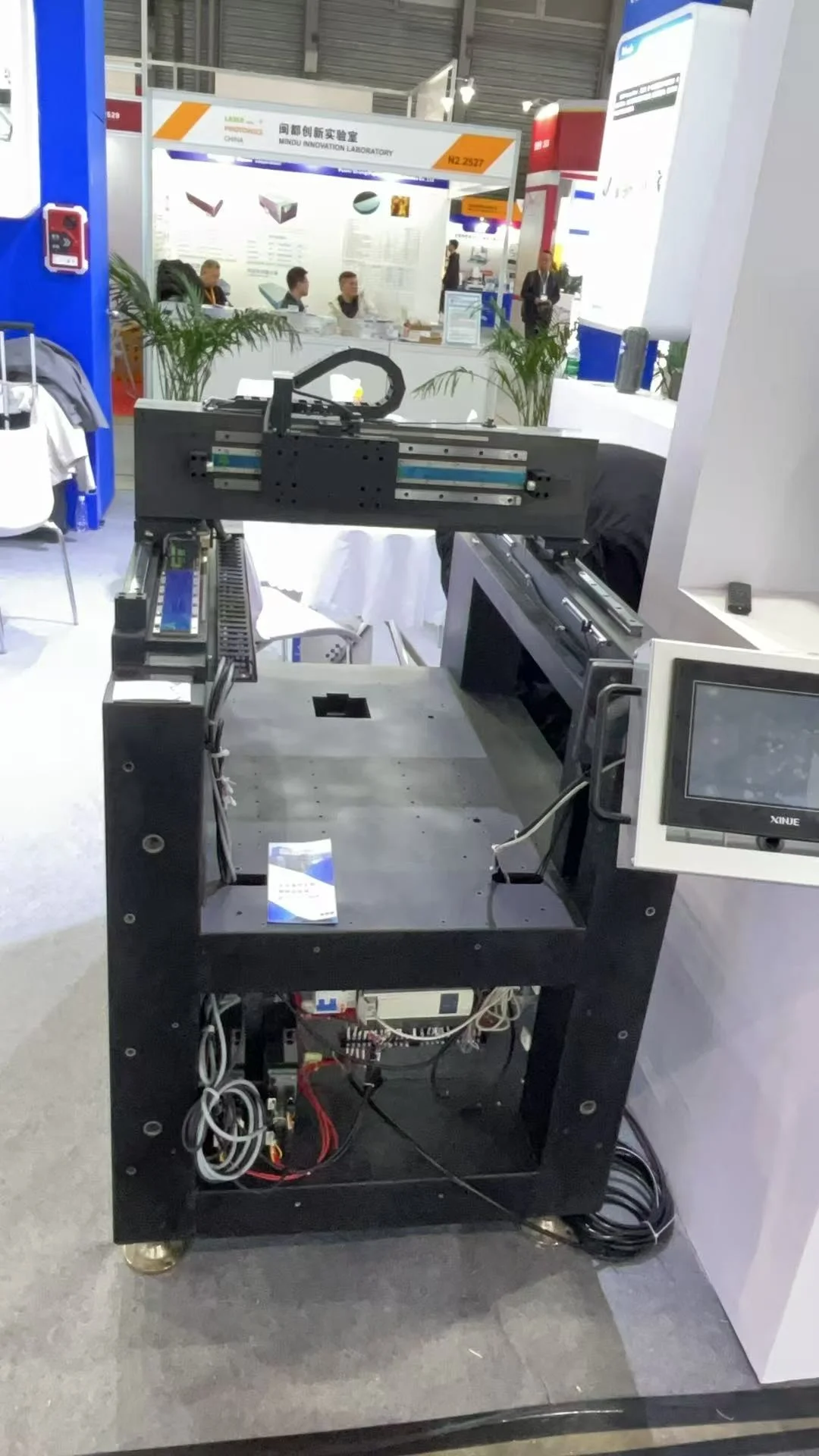
The versatility of high precision linear motor modules also deserves mention. They can be integrated into various systems, from CNC machines to robotic arms, and are suitable for a wide range of applications, including material handling, assembly, and inspection. This adaptability makes them a valuable addition to any modern manufacturing setup, allowing for customization to meet specific operational needs.
Moreover, the ongoing advancements in control systems and software further amplify the capabilities of high precision linear motor modules. With the integration of smart technologies, manufacturers can achieve real-time monitoring and adjustments, ensuring optimal performance and quality throughout the production process.
In conclusion, high precision linear motor modules are revolutionizing the manufacturing landscape by offering unparalleled accuracy, speed, and versatility. As industries continue to evolve and the demand for precision grows, these modules will play an increasingly pivotal role in driving efficiency and innovation within manufacturing operations. Implementing such technologies not only enhances product quality but also positions manufacturers as leaders in their respective fields, ready to tackle the challenges of tomorrow's marketplace.
At their core, high precision linear motor modules utilize electromagnetic principles to generate linear motion with exceptional accuracy. Unlike traditional systems that rely on mechanical components such as gears and belts, linear motors eliminate the need for these elements, thereby significantly reducing wear and maintenance issues. This technology allows for smoother operation, lower friction, and enhanced responsiveness, which contributes to the overall longevity and reliability of manufacturing equipment.
One of the key advantages of high precision linear motor modules is their capability to achieve extremely tight tolerances. In industries where precision is paramount, such as aerospace, automotive, and medical device manufacturing, the ability to maintain exact specifications is crucial. These modules can achieve positioning accuracy in the micrometer range, making them ideal for applications that require meticulous attention to detail.
Additionally, high precision linear motor modules enable rapid movement and acceleration, which can drastically reduce cycle times in production processes. This increased speed not only enhances productivity but also allows manufacturers to respond more rapidly to changing market demands. With the pressure to produce high-quality products without delay, the adoption of linear motor technology can provide a competitive edge.
The versatility of high precision linear motor modules also deserves mention. They can be integrated into various systems, from CNC machines to robotic arms, and are suitable for a wide range of applications, including material handling, assembly, and inspection. This adaptability makes them a valuable addition to any modern manufacturing setup, allowing for customization to meet specific operational needs.
Moreover, the ongoing advancements in control systems and software further amplify the capabilities of high precision linear motor modules. With the integration of smart technologies, manufacturers can achieve real-time monitoring and adjustments, ensuring optimal performance and quality throughout the production process.
In conclusion, high precision linear motor modules are revolutionizing the manufacturing landscape by offering unparalleled accuracy, speed, and versatility. As industries continue to evolve and the demand for precision grows, these modules will play an increasingly pivotal role in driving efficiency and innovation within manufacturing operations. Implementing such technologies not only enhances product quality but also positions manufacturers as leaders in their respective fields, ready to tackle the challenges of tomorrow's marketplace.
Related Blog


Industrial Linear Motion Solution
Got questions? – get in touch