






The Future of Metalworking: Innovations with Annular Linear Motors
2026-03-11
The Future of Metalworking: Innovations with Annular Linear Motors
Table of Contents
- 1. Introduction to Annular Linear Motors
- 2. Current Trends in Metalworking Machinery
- 3. The Importance of Innovation in Metalworking
- 4. How Annular Linear Motors Work
- 5. Benefits of Annular Linear Motors in Metalworking
- 6. Applications of Annular Linear Motors in Metalworking
- 7. Challenges and Considerations
- 8. Future Outlook of Metalworking with Annular Linear Motors
- 9. FAQs about Annular Linear Motors
- 10. Conclusion
1. Introduction to Annular Linear Motors
The landscape of metalworking is undergoing a profound transformation, driven by innovative technologies. Among these, **annular linear motors** stand out as a pivotal advancement. These motors, characterized by their unique design, utilize an annular configuration that allows for high efficiency and precision in various applications. This article delves into the intricacies of annular linear motors, examining their functionality, benefits, and role in the evolving metalworking industry.
2. Current Trends in Metalworking Machinery
The metalworking industry is at the forefront of adopting new technologies to enhance production capabilities. Some current trends include:
- **Automation and Robotics**: Increasing reliance on automated systems to streamline production and reduce labor costs.
- **Sustainability**: The push for eco-friendly manufacturing processes is leading to innovations that minimize waste and energy consumption.
- **Digitalization**: Integration of **Industry 4.0** technologies, including IoT and data analytics, is enabling smarter manufacturing practices.
These trends highlight the urgent need for machinery that can adapt to changing demands, which is where annular linear motors come into play.
3. The Importance of Innovation in Metalworking
Innovation is not just an option in the metalworking sector; it is a necessity. As customer demands shift towards more customized and complex products, manufacturers must adopt technologies that offer flexibility, speed, and precision. Innovations such as annular linear motors provide significant advantages, including enhanced accuracy in machining processes, faster production times, and reduced operational costs.
4. How Annular Linear Motors Work
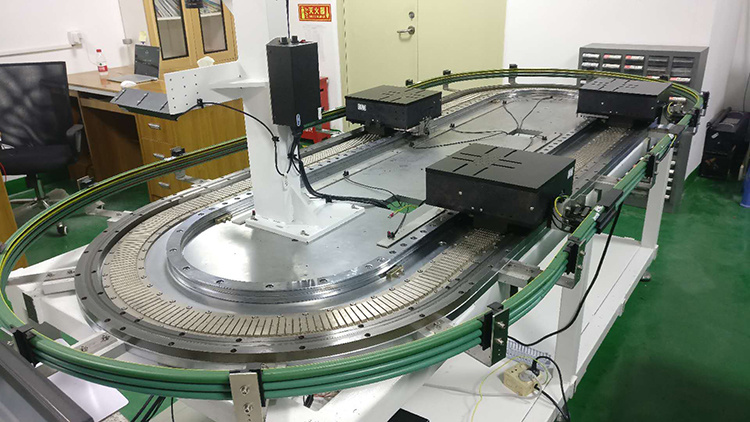
Annular linear motors operate on the principle of electromagnetic force. The motor consists of a stationary part (stator) and a moving part (rotor). Unlike traditional motors that utilize a rotary motion, annular linear motors generate linear motion directly.
- **Structure**: The annular design allows for a compact motor with a wide effective stroke, which is ideal for applications requiring high precision.
- **Operation**: When electric current passes through the coils in the stator, it creates a magnetic field that interacts with magnets in the rotor, producing linear motion.
This direct conversion of electrical energy into linear motion minimizes mechanical losses and enhances overall efficiency.
5. Benefits of Annular Linear Motors in Metalworking
Integrating **annular linear motors** into metalworking machinery offers numerous benefits:
5.1 Enhanced Precision
Precision is critical in metalworking applications, and annular linear motors excel in delivering high accuracy, reducing tolerances in machining processes.
5.2 Increased Speed
These motors can achieve rapid acceleration and deceleration rates, significantly improving cycle times and overall productivity.
5.3 Reduced Maintenance
With fewer moving parts than traditional motors, annular linear motors require less maintenance, leading to lower downtime and operational costs.
5.4 Energy Efficiency
The direct drive mechanism of annular linear motors results in lower energy consumption, aligning with the industry's push for sustainability.
6. Applications of Annular Linear Motors in Metalworking
Annular linear motors have versatile applications in the metalworking industry. Some notable uses include:
6.1 CNC Machining
In CNC machines, these motors provide precise control over tool movements, enabling intricate designs and high-quality finishes.
6.2 Material Handling
Annular linear motors facilitate efficient material transfer in automated systems, improving workflow and reducing handling time.
6.3 Laser Cutting
The precision and speed of annular linear motors make them ideal for laser cutting applications, where accuracy is paramount.
6.4 Stamping and Forming
In stamping operations, these motors enhance the speed and consistency of product formation, boosting production rates.
7. Challenges and Considerations
While annular linear motors present many advantages, there are challenges to consider:
7.1 Initial Cost
The upfront investment in annular linear motor technology can be significant, which may deter some manufacturers.
7.2 Technical Expertise
Implementing and maintaining advanced motor systems require skilled personnel, which can pose a challenge for businesses.
7.3 Integration with Existing Systems
Integrating annular linear motors into existing machinery may require modifications, adding complexity to the transition.
8. Future Outlook of Metalworking with Annular Linear Motors
The future of metalworking is promising, particularly with the continued integration of annular linear motors. As technology advances, we can expect:
- **Improved Performance**: Ongoing research will likely yield even more efficient motor designs, enhancing their operational capabilities.
- **Broader Adoption**: As more manufacturers recognize the benefits, the adoption of these motors will increase, further revolutionizing production processes.
- **Sustainability Initiatives**: The emphasis on reducing environmental impact will drive innovation in motor technology, aligning with global sustainability efforts.
9. FAQs about Annular Linear Motors
What are annular linear motors?
Annular linear motors are electromagnetic devices that convert electrical energy into linear motion, featuring a unique annular design for enhanced efficiency and precision.
How do annular linear motors differ from traditional motors?
Unlike traditional rotary motors, annular linear motors produce direct linear motion, resulting in higher precision and faster operation.
In what applications are annular linear motors commonly used?
They are used in CNC machining, material handling, laser cutting, and stamping operations, among others.
What are the benefits of using annular linear motors in metalworking?
Benefits include improved precision, increased speed, reduced maintenance, and energy efficiency.
What challenges are associated with annular linear motors?
Challenges include high initial costs, the need for technical expertise, and integration complexities with existing systems.
10. Conclusion
In conclusion, annular linear motors represent a significant leap forward in metalworking technology. Their ability to deliver precision, speed, and efficiency aligns perfectly with the industry's demands for innovation and adaptability. As we move forward, embracing these advanced systems will not only enhance production capabilities but also pave the way for a more sustainable and efficient metalworking landscape. By understanding and leveraging the benefits of annular linear motors, manufacturers can position themselves at the forefront of this transformative era in metalworking.
← Prev Post
Related Blog


Industrial Linear Motion Solution
Got questions? – get in touch