






Enhancing Precision: The Role of Marble Mechanical Components in Metalworking Machinery
2026-03-10
In the realm of metalworking machinery, the integration of advanced materials and components is crucial for achieving higher precision and operational efficiency. One such innovative application involves the use of marble mechanical components. Marble, a metamorphic rock known for its durability and aesthetic appeal, offers several unique advantages when adapted for mechanical applications.
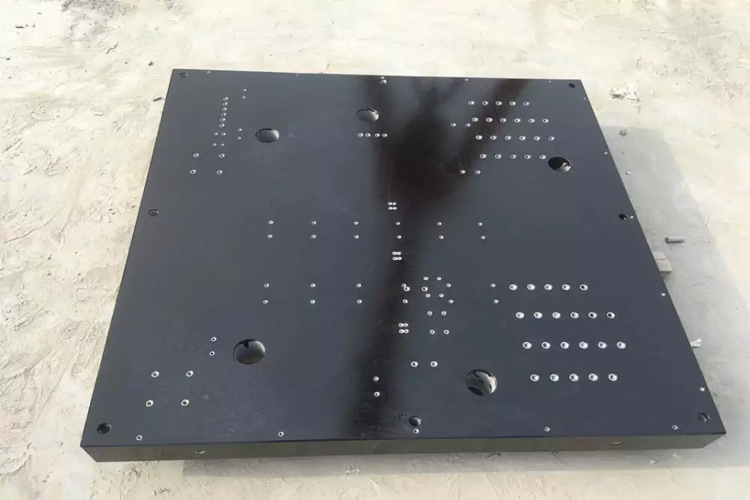
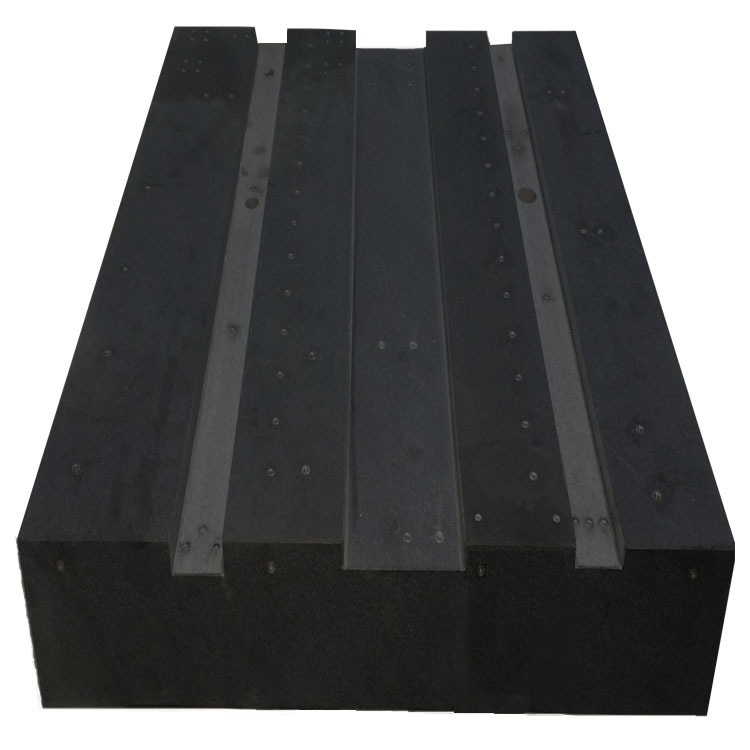
Marble mechanical components excel in their exceptional dimensional stability and low thermal expansion. This characteristic is particularly advantageous in environments where temperature fluctuations can lead to significant alterations in the geometry and performance of machinery. The use of marble in critical components such as bases, supports, and mounts ensures that machinery maintains its precision over time, which is vital for high-quality metal fabrication.
Another significant benefit of marble mechanical components is their inherent vibration-damping properties. In metalworking processes, excessive vibrations can lead to inaccuracies and reduce the lifespan of both the machinery and the components being produced. Marble's natural density and structure help absorb vibrations, resulting in smoother operations and improved product quality. This makes marble an excellent choice for components in precision machining centers and CNC machines.
Moreover, marble's surface finish can be a key factor in enhancing the performance of metalworking machinery. The polished finish of marble components not only provides a visually appealing aesthetic but also reduces friction during operation. This reduction in friction not only enhances the longevity of moving parts but also contributes to the overall energy efficiency of the machinery. Consequently, manufacturers can reduce operational costs and improve productivity without compromising on the quality of the output.
In terms of customization, marble mechanical components can be engineered to meet specific requirements for various machining applications. With advanced cutting and shaping techniques, manufacturers can create bespoke parts that cater to the unique demands of different metalworking processes. This adaptability makes marble a versatile option compared to traditional materials, allowing engineers to design machinery that is tailored to specific production needs.
In conclusion, the integration of marble mechanical components into metalworking machinery presents a myriad of advantages that contribute to improved precision, reduced vibrations, and enhanced operational efficiency. As the industry continues to evolve, embracing innovative materials like marble will be essential for manufacturers looking to stay competitive and meet the ever-increasing demands of precision engineering in metal fabrication. By leveraging the unique properties of marble, manufacturers can forge a path toward more efficient and high-quality metalworking processes, ultimately benefiting their end products and customers alike.
Marble mechanical components excel in their exceptional dimensional stability and low thermal expansion. This characteristic is particularly advantageous in environments where temperature fluctuations can lead to significant alterations in the geometry and performance of machinery. The use of marble in critical components such as bases, supports, and mounts ensures that machinery maintains its precision over time, which is vital for high-quality metal fabrication.
Another significant benefit of marble mechanical components is their inherent vibration-damping properties. In metalworking processes, excessive vibrations can lead to inaccuracies and reduce the lifespan of both the machinery and the components being produced. Marble's natural density and structure help absorb vibrations, resulting in smoother operations and improved product quality. This makes marble an excellent choice for components in precision machining centers and CNC machines.
Moreover, marble's surface finish can be a key factor in enhancing the performance of metalworking machinery. The polished finish of marble components not only provides a visually appealing aesthetic but also reduces friction during operation. This reduction in friction not only enhances the longevity of moving parts but also contributes to the overall energy efficiency of the machinery. Consequently, manufacturers can reduce operational costs and improve productivity without compromising on the quality of the output.
In terms of customization, marble mechanical components can be engineered to meet specific requirements for various machining applications. With advanced cutting and shaping techniques, manufacturers can create bespoke parts that cater to the unique demands of different metalworking processes. This adaptability makes marble a versatile option compared to traditional materials, allowing engineers to design machinery that is tailored to specific production needs.
In conclusion, the integration of marble mechanical components into metalworking machinery presents a myriad of advantages that contribute to improved precision, reduced vibrations, and enhanced operational efficiency. As the industry continues to evolve, embracing innovative materials like marble will be essential for manufacturers looking to stay competitive and meet the ever-increasing demands of precision engineering in metal fabrication. By leveraging the unique properties of marble, manufacturers can forge a path toward more efficient and high-quality metalworking processes, ultimately benefiting their end products and customers alike.
← Prev Post
Related Blog


Industrial Linear Motion Solution
Got questions? – get in touch