






Why Choose Granite for Your Machinery Component Needs?
2026-03-09
Why Choose Granite for Your Machinery Component Needs?
Introduction to Granite in Machinery Components
Granite is a natural stone that has been prized for its durability and aesthetic appeal in construction and design. However, its applications extend far beyond these domains—especially in the realm of machinery components. **Granite's unique properties make it an increasingly popular material in the manufacturing sector**, particularly for **metalworking machinery** and its components.
In this article, we will explore the numerous advantages of granite, its specific applications in machinery, and why choosing granite can significantly benefit your manufacturing processes.
The Unique Properties of Granite
Durability and Strength
Granite is renowned for its **exceptional durability**. Its formation from the slow crystallization of magma gives it a hardness that rivals even the most robust man-made materials. This intrinsic strength not only stands up to wear and tear but also resists scratches and dents, making it ideal for machinery components that undergo constant stress.
Thermal Stability
Another remarkable attribute of granite is its **thermal stability**. Unlike many materials that can warp or deform under high temperatures, granite maintains its integrity, ensuring precision in machinery operations. This characteristic is particularly important in environments where **heat generation** is a factor, such as in metalworking processes.
Precision and Flatness
Granite surfaces offer superior flatness, which is crucial for machinery components that require precise alignment. **This level of accuracy reduces the risk of mechanical failures** and ensures that machines operate efficiently. The consistent surface provided by granite allows for better contact between parts, improving overall performance.
Applications of Granite in Metalworking Machinery
Machine Bases
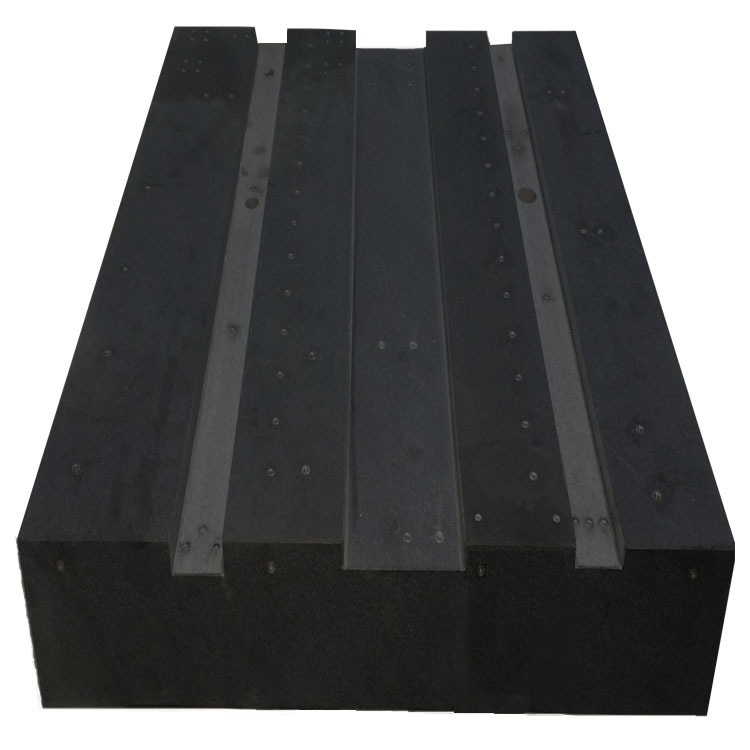
One of the primary uses of granite in machinery is for **machine bases**. The stability and strength of granite help in reducing vibrations, which can adversely affect precision in machining operations. By utilizing granite as a machine base, manufacturers can achieve higher accuracy in their production processes.
Workholding Fixtures
Granite is also commonly used in **workholding fixtures**, which are essential for securely holding workpieces in place during machining. The flatness and rigidity of granite fixtures ensure that workpieces remain stable, which is critical for achieving tight tolerances in metalworking.
Inspection Tables
Quality control is paramount in manufacturing, and granite is the preferred material for **inspection tables**. The smooth and level surface allows for accurate measurements and inspections, ensuring that components meet stringent quality standards.
Cost-Effectiveness of Granite
Long-Term Investment
While granite may have a higher upfront cost compared to alternative materials, its longevity and durability make it a **cost-effective choice** in the long run. The reduced need for maintenance, less frequent replacement, and improved efficiency contribute to significant savings over time.
Reduced Downtime
Using granite components in machinery can also lead to **reduced downtime**. Machines that operate reliably and require less maintenance allow manufacturers to maximize productivity, thereby enhancing profitability.
Environmental Considerations
Natural and Sustainable Material
Granite is a **natural stone** that is abundant and sustainable. Choosing granite for machinery components aligns with eco-friendly practices, as it does not rely on synthetic manufacturing processes that can be harmful to the environment.
Recyclability
Furthermore, granite can be recycled at the end of its life cycle, making it an environmentally responsible choice for businesses looking to minimize their ecological footprint.
Case Studies: Success Stories with Granite Components
Manufacturing Precision Tools
A renowned manufacturer of precision tools recently transitioned to using granite for their machine bases. The result was a **30% increase in machining accuracy** and a significant reduction in wear on tooling. This shift not only improved product quality but also enhanced customer satisfaction.
Automotive Industry Applications
In the automotive industry, a company incorporated granite fixtures in their assembly line, resulting in **shorter cycle times** and improved assembly accuracy. By minimizing vibrations and enhancing stability, they were able to produce vehicles with tighter tolerances, ultimately elevating their brand reputation.
FAQs About Using Granite for Machinery Components
1. Is granite suitable for all types of machinery?
Granite is particularly effective for precision machinery due to its durability and stability. However, its applications may vary depending on the specific requirements of the machinery.
2. How does granite compare to other materials like steel or aluminum?
Granite outperforms many metals in terms of flatness, thermal stability, and resistance to wear. While metals may be more suitable for some applications, granite provides a distinct advantage in precision work.
3. What maintenance is required for granite components?
Granite requires minimal maintenance. Regular cleaning and periodic inspections are usually sufficient to ensure its longevity and performance.
4. Can granite be used in high-temperature environments?
Yes, granite's thermal stability makes it suitable for high-temperature applications without compromising its structural integrity.
5. What are the environmental benefits of using granite?
Granite is a natural and sustainable material that can be recycled, aligning with eco-friendly manufacturing practices and reducing environmental impact.
Conclusion
In summary, granite presents a multitude of benefits for machinery components, making it a superior choice for manufacturers who prioritize durability, precision, and cost-effectiveness. Its unique properties, coupled with successful applications in various industries, showcase its versatility and reliability. Embracing granite for your machinery needs is not just an investment in material quality, but also a commitment to long-term efficiency and sustainability. By choosing granite, manufacturers can enhance their operational capabilities and ensure the production of high-quality components that meet the demands of today's competitive landscape.
← Prev Post
Related Blog

Industrial Linear Motion Solution
Got questions? – get in touch