






Understanding the Benefits of Marble Mechanical Components in Metal Processing Machinery
2026-02-28
When discussing marble mechanical components in the context of metal processing machinery, it's essential to recognize the distinctive characteristics that make marble an attractive material for certain applications. Marble, a metamorphic rock composed primarily of calcite, is renowned for its aesthetic appeal and physical properties, which can offer substantial benefits in various mechanical applications.
One of the primary advantages of marble mechanical components is their excellent vibration-damping capabilities. In metal processing, excessive vibrations can lead to inaccuracies in machining processes, impacting the quality of the finished products. Marble's natural density and structure absorb vibrations effectively, leading to improved stability during operation. This is particularly valuable in high-speed machining environments where precision is crucial.
Furthermore, marble's thermal stability is another significant benefit. Metal processing often involves high temperatures, which can cause certain materials to warp or lose their structural integrity. Marble retains its form under varying thermal conditions, ensuring consistent performance over time. This thermal resilience allows manufacturers to maintain tight tolerances and enhance the overall reliability of their machinery.
In addition to its functional advantages, marble mechanical components can also contribute to the aesthetic appeal of manufacturing spaces. With its unique veining and polished finish, marble can elevate the visual aspects of machinery and workspaces, creating an environment that reflects professionalism and quality. This can also be a selling point for companies looking to impress clients and stakeholders with cutting-edge facilities.
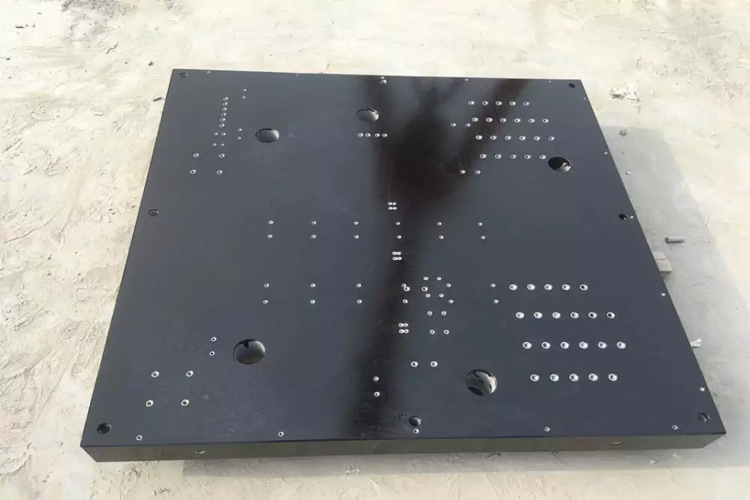
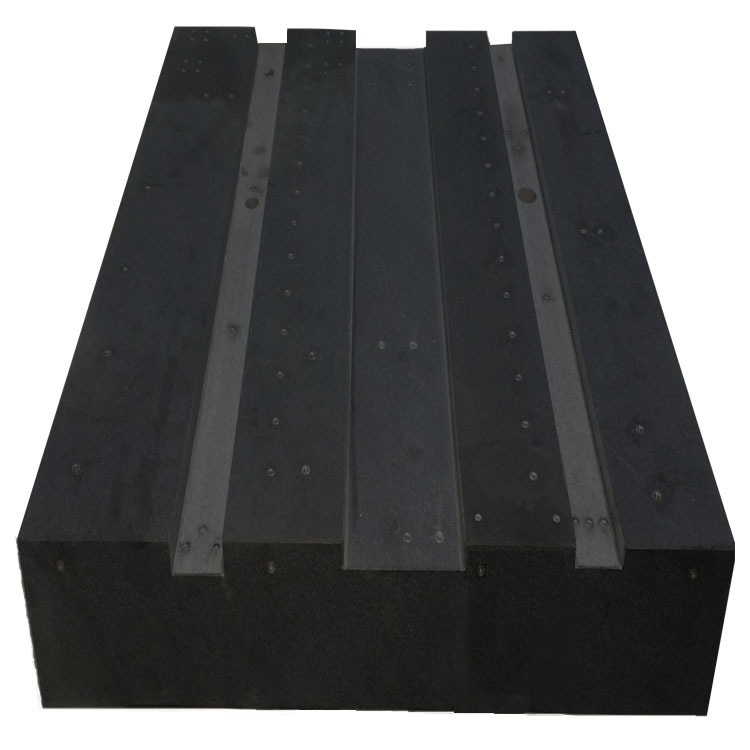
Application-wise, marble mechanical components can be effectively utilized in areas such as precision fixtures, supports, and jigs. These components can provide a stable base for machining tools, ensuring that workpieces are held securely in place. The use of marble in such applications can lead to a notable reduction in wear and tear on other machinery components, extending the lifespan of the equipment.
However, it is essential to consider the limitations of marble as well. While it offers numerous benefits, such as vibration damping and thermal stability, it is also more brittle compared to traditional metals. Care should be taken to prevent chipping or cracking during installation and operation. Selecting the right application and ensuring proper handling can mitigate these concerns.
In conclusion, marble mechanical components present an innovative option for enhancing the performance of metal processing machinery. Their vibration-damping properties, thermal stability, and aesthetic appeal can significantly impact manufacturing efficiency and product quality. As industries continue to evolve, exploring unconventional materials like marble can lead to advancements that benefit both manufacturers and end-users alike.
One of the primary advantages of marble mechanical components is their excellent vibration-damping capabilities. In metal processing, excessive vibrations can lead to inaccuracies in machining processes, impacting the quality of the finished products. Marble's natural density and structure absorb vibrations effectively, leading to improved stability during operation. This is particularly valuable in high-speed machining environments where precision is crucial.
Furthermore, marble's thermal stability is another significant benefit. Metal processing often involves high temperatures, which can cause certain materials to warp or lose their structural integrity. Marble retains its form under varying thermal conditions, ensuring consistent performance over time. This thermal resilience allows manufacturers to maintain tight tolerances and enhance the overall reliability of their machinery.
In addition to its functional advantages, marble mechanical components can also contribute to the aesthetic appeal of manufacturing spaces. With its unique veining and polished finish, marble can elevate the visual aspects of machinery and workspaces, creating an environment that reflects professionalism and quality. This can also be a selling point for companies looking to impress clients and stakeholders with cutting-edge facilities.
Application-wise, marble mechanical components can be effectively utilized in areas such as precision fixtures, supports, and jigs. These components can provide a stable base for machining tools, ensuring that workpieces are held securely in place. The use of marble in such applications can lead to a notable reduction in wear and tear on other machinery components, extending the lifespan of the equipment.
However, it is essential to consider the limitations of marble as well. While it offers numerous benefits, such as vibration damping and thermal stability, it is also more brittle compared to traditional metals. Care should be taken to prevent chipping or cracking during installation and operation. Selecting the right application and ensuring proper handling can mitigate these concerns.
In conclusion, marble mechanical components present an innovative option for enhancing the performance of metal processing machinery. Their vibration-damping properties, thermal stability, and aesthetic appeal can significantly impact manufacturing efficiency and product quality. As industries continue to evolve, exploring unconventional materials like marble can lead to advancements that benefit both manufacturers and end-users alike.
← Prev Post
Related Blog


Industrial Linear Motion Solution
Got questions? – get in touch