






Maximizing Durability with Granite Machinery Components: The Ultimate Guide
2026-02-27
Maximizing Durability with Granite Machinery Components
In the ever-evolving world of manufacturing and metal processing, the choice of machinery components plays a pivotal role in determining the efficiency and longevity of your operations. Among the various materials available, granite has emerged as a front-runner due to its remarkable durability and performance characteristics. This article delves into how granite machinery components can help maximize durability, reduce maintenance costs, and ultimately boost productivity.
Understanding Granite Machinery Components
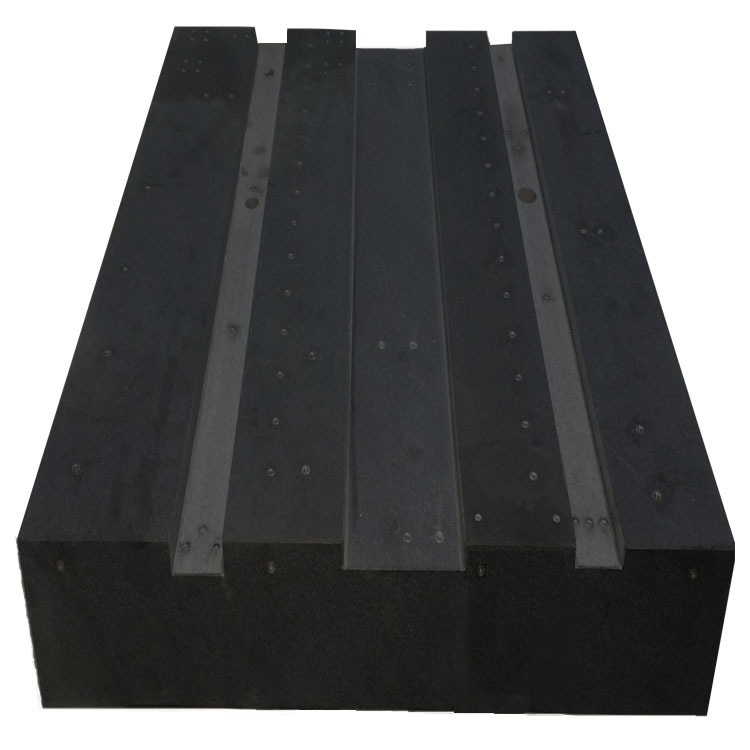
Granite machinery components are precision-engineered parts made from natural granite, a metamorphic rock known for its strength and low thermal expansion. These components are widely used in various applications, particularly in the field of metal processing machinery. Here, we will explore the properties that make granite an ideal choice for machinery components.
Key Properties of Granite
- High Compressive Strength: Granite boasts exceptional strength, making it resistant to wear and tear.
- Low Thermal Expansion: This property ensures that granite components maintain their shape and size even under temperature fluctuations.
- Vibration Damping: Granite effectively absorbs vibrations, leading to enhanced precision in machining operations.
- Corrosion Resistance: Unlike metals, granite is impervious to rust and chemical degradation, ensuring a longer lifespan.
- Aesthetic Appeal: The natural beauty of granite adds visual value to machinery, enhancing the overall look of manufacturing setups.
The Advantages of Using Granite Machinery Components
Utilizing granite in machinery components provides numerous advantages that can lead to significant improvements in operational efficiency. Let’s explore these benefits in detail.
Enhanced Durability
Granite’s robust nature means components made from this material can withstand extreme conditions, including high pressures and temperatures. By replacing traditional metal components with granite alternatives, manufacturers can expect a substantial reduction in wear and tear, extending the life of their machinery.
Lower Maintenance Costs
Since granite components are less prone to damage and degradation, they require less frequent replacements and repairs. This reduction in maintenance needs translates into lower overall operational costs, allowing businesses to allocate resources to other critical areas.
Improved Precision and Quality
Granite’s ability to dampen vibrations contributes to enhanced machining precision. This is particularly important in high-accuracy applications where even the slightest deviation can lead to defects. Incorporating granite components can significantly improve the quality of the finished product.
Environmentally Friendly Option
As a natural material, granite is an environmentally friendly option compared to synthetic materials. Its longevity also means that fewer resources are consumed over time, contributing to sustainable manufacturing practices.
Applications of Granite Machinery Components
Granite machinery components are versatile and can be applied in various manufacturing settings. Here are some common applications:
CNC Machining Centers
Granite bases are frequently used in CNC machining centers due to their stability and rigidity. The low thermal expansion properties of granite ensure that CNC machines maintain their accuracy, resulting in superior machining performance.
Precision Tables and Fixtures
In metal processing, precision tables made from granite provide a level surface that enhances machining accuracy. These tables are ideal for setting up workpieces, ensuring that each operation is accurately aligned.
Measuring and Inspection Equipment
Granite is the preferred material for measuring tools and inspection equipment, such as coordinate measuring machines (CMMs). The stability and durability of granite allow for precise measurements, making it essential in quality control processes.
Tooling and Jigs
Granite components are also used in tooling and jigs, providing a robust platform that withstands the rigors of metal processing without deformation.
Selecting the Right Granite Components
The selection of granite machinery components should be customized to meet the specific requirements of your operations. Here are some factors to consider:
Material Grade and Quality
Not all granite is created equal. Choosing high-quality granite with the right properties for your application is crucial. Look for granite that has been tested for compressive strength, thermal stability, and vibration dampening capabilities.
Customization and Engineering
Many manufacturers offer customization options for granite components. Work with experienced engineers to design components that fit seamlessly with your existing machinery and operational needs.
Supplier Reputation and Support
Partnering with a reputable supplier ensures you receive quality products and support. Research suppliers who specialize in granite machinery components and have a proven track record in the industry.
Maintenance Tips for Granite Machinery Components
Caring for granite components is essential to maximize their lifespan. Here are some maintenance tips:
Regular Cleaning
Keep granite surfaces clean by using mild detergents and soft cloths. Avoid abrasive cleaners that can scratch the surface.
Periodic Inspections
Conduct regular inspections to identify any signs of wear or damage. Early detection of issues can prevent costly repairs down the line.
Temperature Management
Ensure that granite components are not subjected to extreme temperature changes quickly. Gradually acclimating the material can help maintain its structural integrity.
Granite vs. Traditional Materials: A Comparative Analysis
When considering materials for machinery components, it’s essential to compare granite with traditional options like steel and aluminum.
Strength and Durability
Granite outperforms steel and aluminum in terms of compressive strength and wear resistance. While metals are prone to corrosion and fatigue over time, granite remains stable and reliable.
Cost-Effectiveness
While the initial investment for granite components may be higher than traditional materials, the long-term savings from reduced maintenance and replacement costs make granite a cost-effective choice.
Environmental Impact
Granite is a natural material that requires minimal processing, making it a more environmentally sustainable option compared to metals, which often require extensive mining and processing.
Future Trends in Granite Machinery Components
The evolution of granite technology is ongoing, and several trends are shaping its future in the manufacturing sector.
Advancements in Technology
Innovations in stone cutting and processing technology are making it easier to produce complex granite components with precision. These advancements are opening up new possibilities for applications across various industries.
Integration with Smart Manufacturing
As the manufacturing sector embraces smart technologies, integrating granite components into smart systems will enhance their performance and monitoring capabilities. This integration will lead to improved efficiency and reduced downtime.
Focus on Sustainability
With increasing emphasis on sustainability, the demand for environmentally friendly materials like granite is expected to grow. Manufacturers are likely to prioritize sustainable practices, further solidifying granite’s position in the industry.
FAQs about Granite Machinery Components
1. What are the primary benefits of using granite machinery components?
Granite components offer enhanced durability, lower maintenance costs, improved precision, and environmental sustainability compared to traditional materials.
2. How do I choose the best granite components for my machinery?
Select high-quality granite, consider customization options, and partner with reputable suppliers for optimal performance and longevity.
3. Can granite machinery components be used in all types of manufacturing?
Granite components are versatile and can be applied in various manufacturing settings, especially in high-precision machining and inspection equipment.
4. How should I maintain granite machinery components?
Regular cleaning, periodic inspections, and temperature management are key to maintaining granite components and maximizing their lifespan.
5. What is the cost comparison between granite and traditional materials?
While granite components may have a higher initial cost, their longevity and reduced maintenance needs often result in lower overall expenses compared to traditional materials.
Conclusion
In summary, granite machinery components offer a myriad of advantages that can significantly enhance the durability and efficiency of metal processing operations. By understanding the properties, applications, and maintenance practices associated with granite, manufacturers can make informed decisions that contribute to long-term success. Investing in granite technology not only prepares your business for the challenges of modern manufacturing but also positions you to take advantage of future advancements in this dynamic industry.
Related Blog


Industrial Linear Motion Solution
Got questions? – get in touch