






Unlocking the Secrets of Linear Motor Modules: How They Work
2025-12-27
What is a Linear Motor Module?
If you've ever marveled at the precision of high-speed trains or automated factories, you've surely encountered the wonders of a Linear Motor Module. These nifty devices transform electrical energy into linear motion, making them a cornerstone of modern engineering. But what's the magic behind them? Let's dive into the inner workings!
The Basic Principle of Operation
At its core, a Linear Motor Module operates on the principles of electromagnetism. When electric current flows through coils, it generates a magnetic field. Now, here's the kicker: this magnetic field can interact with permanent magnets or other coils, producing thrust. Voila! You have motion!
Components that Make It Tick
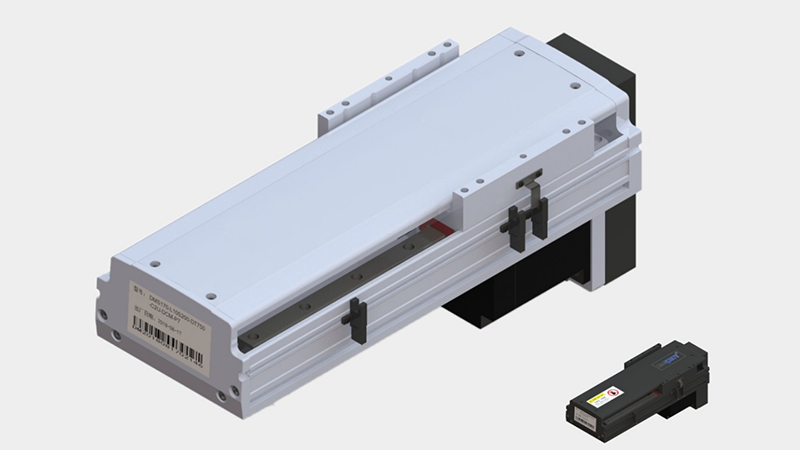
So, what exactly makes up a Linear Motor Module? You've got your stator (the stationary part), which houses the coils, and your mover (the part that moves), often embedded with magnets. The interaction between these components is like a perfectly choreographed dance, allowing for smooth and efficient motion.
Types of Linear Motors
There are various types of linear motors, but let's focus on the most common ones:
- Flat Linear Motors: These are designed for applications requiring low profile and space efficiency.
- Cylindrical Linear Motors: Often used in applications with high thrust requirements.
- Slotless Linear Motors: These offer high precision and low cogging, ideal for sensitive applications.
Advantages of Using Linear Motor Modules
Why go for a Linear Motor Module, you ask? Well, there's a cornucopia of benefits:
- High Efficiency: With fewer moving parts, they reduce friction and improve energy consumption.
- Precision Control: They offer exceptional accuracy, making them perfect for tasks requiring meticulous movement.
- Low Maintenance: Thanks to their design, there's less wear and tear, saving time and money in the long run.
Applications of Linear Motor Modules
From manufacturing to transportation, the applications of the Linear Motor Module are as varied as they are fascinating. Here are some standout examples:
- Robotics: They power everything from assembly line robots to surgical instruments.
- Transportation: High-speed trains utilize linear motors for swift, reliable travel.
- Industrial Automation: Used in conveyor systems and pick-and-place machines, they enhance operational efficiency.
Challenges and Considerations
Of course, no technology is without its challenges. Some things to keep in mind when considering a Linear Motor Module include:
- Cost: Initial setup can be pricey, but the long-term savings often outweigh this.
- Heat Generation: They can produce heat, requiring effective cooling solutions.
- Magnetic Interference: Other nearby magnetic devices can affect performance, so placement is key.
Wrapping It Up
In a nutshell, Linear Motor Modules are the unsung heroes of modern technology. Their ability to convert electrical energy into linear motion with precision and efficiency is nothing short of revolutionary. As industries continue to evolve, we can only expect these modules to play an even bigger role in shaping our future.
So, the next time you see a sleek train zooming by or an automated assembly line in action, remember the magic of the Linear Motor Module at work!
← Prev Post
Unveiling the Wonders of the Linear Motor Module
Next Post →
Related Blog
Unveiling the Wonders of the Linear Motor Module
Dec 26, 2025
How to maximize the use of screw modules?
Apr 15, 2025

Industrial Linear Motion Solution
Got questions? – get in touch