






Exploring the Benefits of Marble Mechanical Components in Metalworking Machinery
2026-03-20
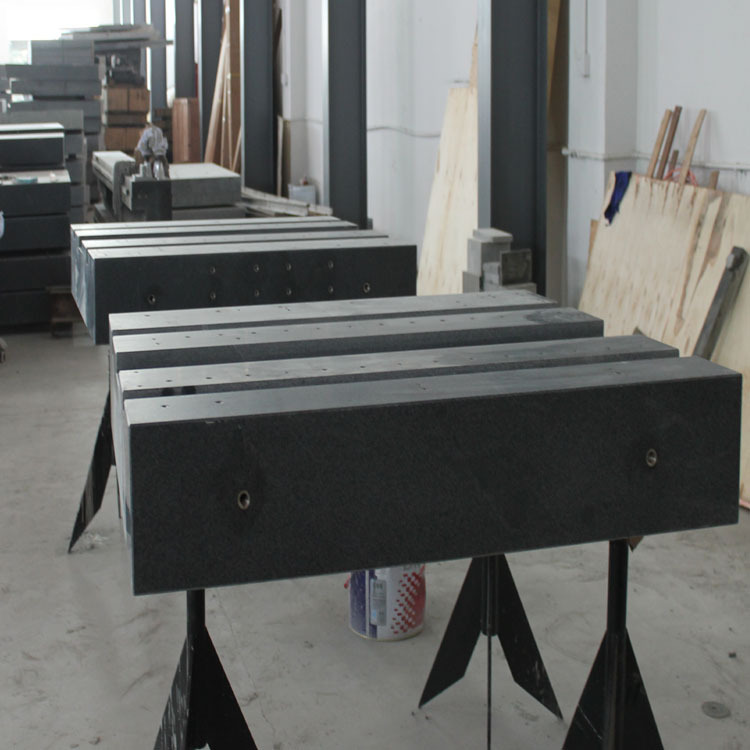
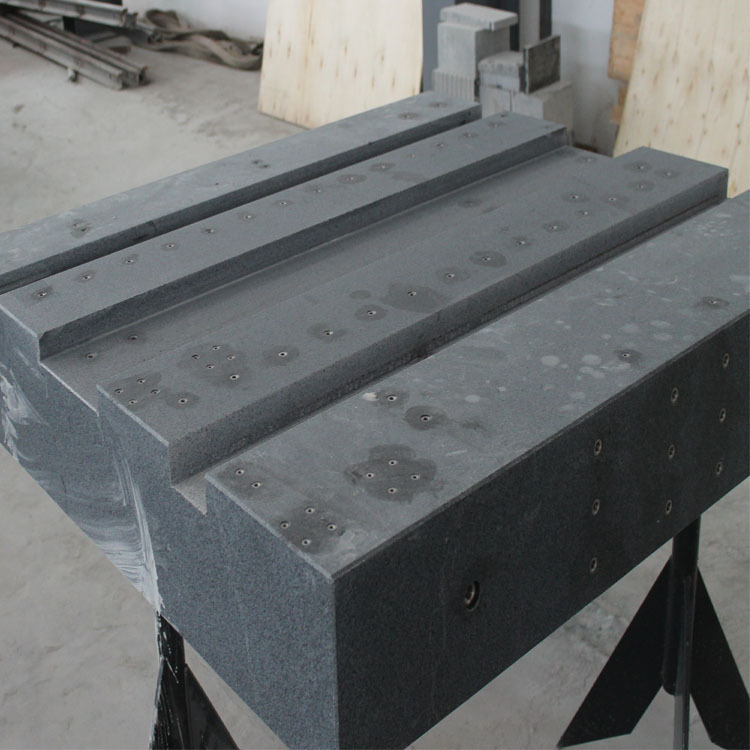
In the evolving landscape of manufacturing and metalworking machinery, the use of unconventional materials like marble for mechanical components is gaining attention. While metals have long dominated the industry, marble mechanical components offer unique benefits that can significantly enhance performance and durability.
One of the primary advantages of marble in mechanical applications is its excellent dimensional stability. Marble's natural properties allow it to maintain its shape and size even under varying temperature conditions. This characteristic is particularly beneficial for precision machining operations, where slight variations in component dimensions can lead to significant discrepancies in product quality. By utilizing marble components, manufacturers can achieve superior accuracy and consistency.
Additionally, marble possesses inherent vibration-dampening qualities. This property minimizes machine vibrations during operation, leading to smoother performance and reduced wear on other mechanical parts. The reduction in vibration not only prolongs the lifespan of machinery but also improves the quality of the finished products, as vibrations can often result in surface imperfections or misalignments.
Another noteworthy feature of marble mechanical components is their resistance to chemical corrosion. In metalworking environments, machinery is often exposed to various chemicals that can lead to degradation over time. Marble, being a non-metallic material, exhibits a higher resistance to such corrosive substances, which translates to lower maintenance costs and longer equipment life.
Moreover, the aesthetic appeal of marble cannot be overlooked. In applications where visibility and presentation matter, such as high-end manufacturing facilities or showrooms, marble components can enhance the overall look of the machinery. This not only reflects positively on the brand but can also impress clients and stakeholders.
However, it is crucial to consider the specific application and environment when integrating marble mechanical components. While marble offers numerous benefits, it is essential to assess factors such as load-bearing capacity and compatibility with existing systems. Proper engineering assessments and testing can help determine the suitability of marble for particular mechanical applications.
In conclusion, marble mechanical components present a compelling alternative in the realm of metalworking machinery. Their dimensional stability, vibration-dampening properties, chemical resistance, and aesthetic appeal make them a worthy consideration for manufacturers aiming to enhance performance and reliability. As the industry continues to innovate, exploring materials beyond traditional metals could pave the way for more efficient and durable machinery solutions.
One of the primary advantages of marble in mechanical applications is its excellent dimensional stability. Marble's natural properties allow it to maintain its shape and size even under varying temperature conditions. This characteristic is particularly beneficial for precision machining operations, where slight variations in component dimensions can lead to significant discrepancies in product quality. By utilizing marble components, manufacturers can achieve superior accuracy and consistency.
Additionally, marble possesses inherent vibration-dampening qualities. This property minimizes machine vibrations during operation, leading to smoother performance and reduced wear on other mechanical parts. The reduction in vibration not only prolongs the lifespan of machinery but also improves the quality of the finished products, as vibrations can often result in surface imperfections or misalignments.
Another noteworthy feature of marble mechanical components is their resistance to chemical corrosion. In metalworking environments, machinery is often exposed to various chemicals that can lead to degradation over time. Marble, being a non-metallic material, exhibits a higher resistance to such corrosive substances, which translates to lower maintenance costs and longer equipment life.
Moreover, the aesthetic appeal of marble cannot be overlooked. In applications where visibility and presentation matter, such as high-end manufacturing facilities or showrooms, marble components can enhance the overall look of the machinery. This not only reflects positively on the brand but can also impress clients and stakeholders.
However, it is crucial to consider the specific application and environment when integrating marble mechanical components. While marble offers numerous benefits, it is essential to assess factors such as load-bearing capacity and compatibility with existing systems. Proper engineering assessments and testing can help determine the suitability of marble for particular mechanical applications.
In conclusion, marble mechanical components present a compelling alternative in the realm of metalworking machinery. Their dimensional stability, vibration-dampening properties, chemical resistance, and aesthetic appeal make them a worthy consideration for manufacturers aiming to enhance performance and reliability. As the industry continues to innovate, exploring materials beyond traditional metals could pave the way for more efficient and durable machinery solutions.
← Prev Post
Related Blog

Industrial Linear Motion Solution
Got questions? – get in touch