






Transforming Manufacturing: The Impact of Servo Motor Screw Modules on Metal Fabrication
2026-03-03
Transforming Manufacturing: The Impact of Servo Motor Screw Modules on Metal Fabrication
Table of Contents
- 1. Introduction to Servo Motor Screw Modules
- 2. What Are Servo Motor Screw Modules?
- 3. Advantages of Servo Motor Screw Modules in Metal Fabrication
- 4. Applications of Servo Motor Screw Modules in Metal Fabrication
- 5. Comparison with Traditional Actuation Systems
- 6. Future Trends in Manufacturing and Servo Technology
- 7. Case Studies: Successful Implementations
- 8. FAQs about Servo Motor Screw Modules
- 9. Conclusion: The Future of Metal Fabrication
1. Introduction to Servo Motor Screw Modules
In the ever-evolving landscape of **manufacturing**, the integration of advanced technologies has paved the way for unprecedented innovations. Among these technologies, **servo motor screw modules** have emerged as vital components, particularly within the metal fabrication sector. As manufacturers strive for increased efficiency, precision, and sustainability, understanding the role of servo motor screw modules becomes increasingly essential. This article delves into the intricacies of these sophisticated devices and their transformative impact on metal fabrication.
2. What Are Servo Motor Screw Modules?
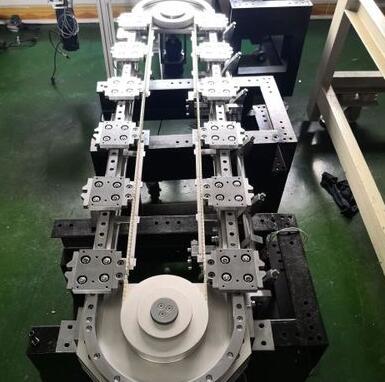
Servo motor screw modules are advanced mechanical systems that utilize servo motors to drive screw mechanisms. These modules convert rotational motion into linear motion with remarkable accuracy and control. Generally, they consist of:
- **Servo motor:** This component provides precise control of position, velocity, and torque. It is responsible for driving the screw mechanism effectively.
- **Lead screw or ball screw:** These components are used to convert the rotational movement of the motor into linear motion.
- **Guides and supports:** These ensure stability and reduce friction, allowing for smoother operation.
By leveraging these elements, servo motor screw modules can achieve high-speed operations while maintaining exceptional levels of precision.
3. Advantages of Servo Motor Screw Modules in Metal Fabrication
The adoption of servo motor screw modules in metal fabrication offers numerous advantages that cater to the demands of modern manufacturing processes.
3.1 Enhanced Precision
One of the primary benefits of servo motor screw modules is their ability to deliver **unmatched precision** in positioning and movement. This precision is crucial in applications such as CNC machining and automated assembly, where even the slightest deviation can lead to significant errors.
3.2 Increased Speed
Servo motor screw modules can achieve higher speeds compared to traditional systems. The rapid response times of servo motors allow for quicker operations, reducing cycle times and enhancing overall productivity.
3.3 Energy Efficiency
With the capability to control power consumption effectively, servo motor screw modules are more energy-efficient than their traditional counterparts. This not only translates into cost savings but also contributes to more sustainable manufacturing practices.
3.4 Reduced Maintenance
The design of servo motor screw modules often results in lower maintenance requirements. By minimizing wear and tear through effective load distribution, manufacturers can enjoy higher operational uptime and reduced service interruptions.
4. Applications of Servo Motor Screw Modules in Metal Fabrication
Servo motor screw modules find a wide range of applications in metal fabrication, enhancing various processes and machinery.
4.1 CNC Machining
In **CNC machining**, precision is paramount. Servo motor screw modules enable rapid and accurate movements, allowing for complex geometries and intricate designs to be fabricated with ease.
4.2 Automated Assembly Lines
Servo motor screw modules are extensively used in automated assembly lines, where they drive the movement of components with precision and speed. Their ability to adjust to different tasks seamlessly makes them invaluable in high-volume production environments.
4.3 Robotic Welding
In robotic welding applications, accuracy and repeatability are essential. Servo motor screw modules help maintain precise positioning of welding tools, resulting in better weld quality and reduced rework.
4.4 Material Handling
Servo motor screw modules can optimize material handling processes by accurately controlling the movement and positioning of materials. This efficiency streamlines operations and improves safety in manufacturing environments.
5. Comparison with Traditional Actuation Systems
When comparing servo motor screw modules to traditional actuation systems, several key differences highlight their advantages.
5.1 Performance
Traditional systems, such as pneumatic or hydraulic actuation, often lag in precision and speed compared to servo motor screw modules. The latter's ability to maintain accuracy over extended periods without significant drift sets it apart.
5.2 Control
Servo motor screw modules offer superior control capabilities. They can be programmed for various tasks, allowing for flexibility in manufacturing processes that traditional systems may not provide.
5.3 Cost-Effectiveness
Although initial investments in servo motor technology may be higher, the long-term cost savings from reduced energy consumption, maintenance, and increased productivity often outweigh these upfront costs.
6. Future Trends in Manufacturing and Servo Technology
As technology continues to advance, the role of servo motor screw modules in metal fabrication will likely expand. The following trends are anticipated to shape the future landscape:
6.1 Integration with IoT
The integration of **Internet of Things (IoT)** technology with servo motor systems will allow for real-time monitoring and analytics. This will enable manufacturers to optimize operations further and reduce downtime.
6.2 Smart Manufacturing
Servo motor screw modules will play a critical role in the shift towards smart manufacturing, where automation and data exchange drive efficiency and adaptability in production processes.
6.3 Sustainability Initiatives
With growing emphasis on sustainability, the energy efficiency of servo motor screw modules will make them increasingly desirable as manufacturers seek environmentally friendly solutions.
7. Case Studies: Successful Implementations
Examining real-world applications can provide insights into the effectiveness of servo motor screw modules in metal fabrication.
7.1 Case Study: High-Precision CNC Machining
A leading CNC machining company integrated servo motor screw modules into their equipment, resulting in a **30% increase in production speed** and a significant reduction in scrap rates. The precision of the modules allowed them to implement tighter tolerances, improving product quality.
7.2 Case Study: Automated Assembly Line Optimization
An automotive parts manufacturer upgraded their assembly line with servo motor screw modules, leading to a **25% decrease in assembly time**. The flexibility of the modules enabled the company to adapt quickly to changing production demands.
8. FAQs about Servo Motor Screw Modules
8.1 What is the primary function of servo motor screw modules?
Servo motor screw modules primarily convert rotational motion from servo motors into linear motion, enabling precise movements in manufacturing processes.
8.2 How do servo motor screw modules improve energy efficiency?
These modules optimize power usage by providing accurate control over movements, minimizing energy waste that is often present in traditional systems.
8.3 Can servo motor screw modules be retrofitted into existing machinery?
Yes, many servo motor screw modules can be retrofitted into existing systems, allowing manufacturers to upgrade their equipment without complete overhauls.
8.4 What industries benefit the most from servo motor screw modules?
Industries such as automotive, aerospace, electronics, and consumer goods greatly benefit from the precision and efficiency that servo motor screw modules provide.
8.5 What are the maintenance requirements for servo motor screw modules?
Maintenance requirements are generally low, but periodic inspections and lubrication may be necessary to ensure optimal performance and longevity.
9. Conclusion: The Future of Metal Fabrication
The integration of **servo motor screw modules** into the metal fabrication industry signifies a monumental shift towards more efficient, precise, and sustainable manufacturing processes. As technology continues to advance, the potential for these systems to enhance productivity and operational effectiveness will only grow. Embracing these innovations not only meets the current demands of the market but also positions manufacturers to thrive in the future landscape of manufacturing. As we move forward, staying informed and adaptable will be crucial for companies looking to maintain a competitive edge in this rapidly evolving industry.
← Prev Post
Related Blog



Industrial Linear Motion Solution
Got questions? – get in touch