






Understanding Precision Screw Modules: Essential Components in Metalworking Machinery
2026-02-20
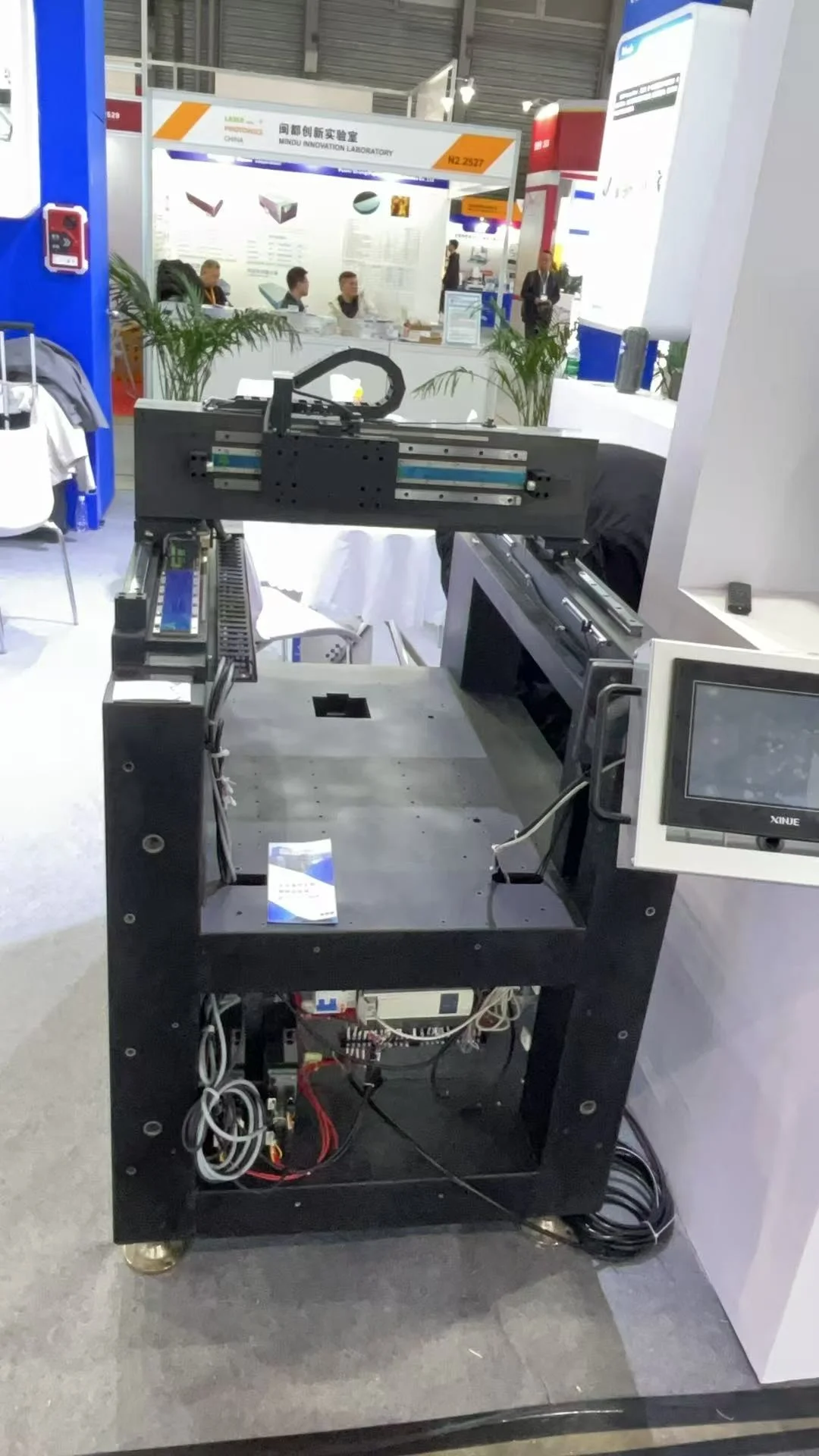
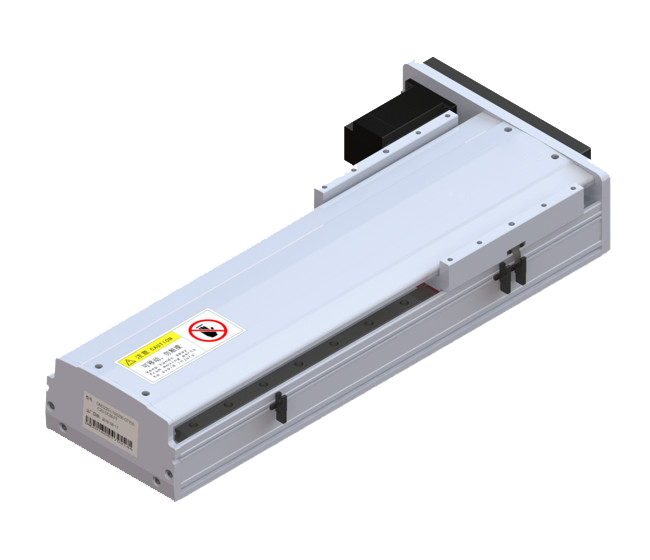
In the realm of manufacturing and machining, precision screw modules stand out as vital components that enhance the efficiency and accuracy of various processes. These modules serve as the driving force in many machines, transforming rotational motion into linear movement with high precision. Understanding their design and application is essential for anyone involved in metalworking machinery and the components that comprise it.
At the core of a precision screw module is the lead screw, which is engineered to provide precise control over movement. Typically made of high-strength materials, these screws are designed to withstand considerable loads while maintaining their structural integrity. The thread design is critical, as it impacts both the efficiency of movement and the quality of the final product. A correctly designed thread reduces friction, allowing for smoother operation and prolonged lifespan of the machinery.
One significant benefit of using precision screw modules in metalworking machinery is their ability to deliver repeatable and accurate positioning. This accuracy is crucial in applications where millimeter or even micron precision is required. For example, in CNC (Computer Numerical Control) machines, the precision screw module enables the machine to execute complex cutting operations with remarkable precision, thereby enhancing productivity and reducing waste.
Moreover, precision screw modules are versatile and can be integrated into various systems, including robotics, automation equipment, and even medical devices. Their adaptability makes them essential in advancing technology within the manufacturing sector. By employing these modules, manufacturers can improve their operational efficiency, reduce cycle times, and ultimately increase their overall productivity.
In addition to their mechanical benefits, precision screw modules contribute to the overall safety of machinery. By providing reliable and predictable motion, they minimize the risk of operational errors that could lead to accidents or equipment damage. This reliability is particularly important in high-speed operations where precision is paramount.
When selecting a precision screw module for your specific application, it's important to consider factors such as load capacity, speed, and the environment in which the module will operate. These considerations will ensure that the chosen module meets the demands of your process while delivering optimal performance.
In conclusion, precision screw modules play an indispensable role in the efficiency and effectiveness of metalworking machinery. Their ability to provide accurate motion and enhance operational safety makes them a fundamental component in the manufacturing landscape. As technology continues to evolve, the importance of precision screw modules in creating high-quality products will only grow, making them a key area of focus for industry professionals. Understanding their capabilities can lead to improved processes and greater success in the competitive manufacturing sector.
At the core of a precision screw module is the lead screw, which is engineered to provide precise control over movement. Typically made of high-strength materials, these screws are designed to withstand considerable loads while maintaining their structural integrity. The thread design is critical, as it impacts both the efficiency of movement and the quality of the final product. A correctly designed thread reduces friction, allowing for smoother operation and prolonged lifespan of the machinery.
One significant benefit of using precision screw modules in metalworking machinery is their ability to deliver repeatable and accurate positioning. This accuracy is crucial in applications where millimeter or even micron precision is required. For example, in CNC (Computer Numerical Control) machines, the precision screw module enables the machine to execute complex cutting operations with remarkable precision, thereby enhancing productivity and reducing waste.
Moreover, precision screw modules are versatile and can be integrated into various systems, including robotics, automation equipment, and even medical devices. Their adaptability makes them essential in advancing technology within the manufacturing sector. By employing these modules, manufacturers can improve their operational efficiency, reduce cycle times, and ultimately increase their overall productivity.
In addition to their mechanical benefits, precision screw modules contribute to the overall safety of machinery. By providing reliable and predictable motion, they minimize the risk of operational errors that could lead to accidents or equipment damage. This reliability is particularly important in high-speed operations where precision is paramount.
When selecting a precision screw module for your specific application, it's important to consider factors such as load capacity, speed, and the environment in which the module will operate. These considerations will ensure that the chosen module meets the demands of your process while delivering optimal performance.
In conclusion, precision screw modules play an indispensable role in the efficiency and effectiveness of metalworking machinery. Their ability to provide accurate motion and enhance operational safety makes them a fundamental component in the manufacturing landscape. As technology continues to evolve, the importance of precision screw modules in creating high-quality products will only grow, making them a key area of focus for industry professionals. Understanding their capabilities can lead to improved processes and greater success in the competitive manufacturing sector.
Related Blog


Industrial Linear Motion Solution
Got questions? – get in touch