






Exploring the Benefits of Servo Motor Screw Modules in Precision Engineering
2026-03-23
Exploring the Benefits of Servo Motor Screw Modules in Precision Engineering
Table of Contents
- 1. Introduction to Servo Motor Screw Modules
- 2. Understanding Servo Motors and Their Role
- 3. How Servo Motor Screw Modules Work
- 4. Applications of Servo Motor Screw Modules in Precision Engineering
- 5. Advantages of Using Servo Motor Screw Modules
- 5.1 Enhanced Precision and Accuracy
- 5.2 Increased Efficiency and Speed
- 5.3 Reduced Maintenance and Operational Costs
- 5.4 Flexibility and Scalability in Operations
- 6. The Future of Servo Motor Technology in Engineering
- 7. Frequently Asked Questions
- 8. Conclusion
1. Introduction to Servo Motor Screw Modules
In the fast-evolving landscape of precision engineering, **servo motor screw modules** have emerged as a pivotal technology. These advanced systems combine the accuracy of servo motors with the mechanical advantage of screw mechanisms, allowing for unparalleled precision in manufacturing processes. As industries increasingly demand high-quality outputs, understanding these modules becomes crucial for engineers and manufacturers alike.
2. Understanding Servo Motors and Their Role
**Servo motors** are specialized motors designed to provide precise control of angular or linear position, velocity, and acceleration. Unlike traditional motors, servo motors utilize feedback mechanisms to ensure precise control over their movements. This capability is integral in applications where accuracy is paramount, such as in robotics, automation, and metal processing machinery.
Servo motors can be categorized into two main types:
- **AC servo motors**: Often used in applications requiring high speed and torque.
- **DC servo motors**: Typically chosen for lower-speed applications with high torque requirements.
The integration of these motors into screw modules enhances the effectiveness of **metal processing machinery**, enabling more efficient production lines.
3. How Servo Motor Screw Modules Work
Servo motor screw modules operate through a combination of motor-driven mechanisms and screw-based systems. The core components include:
- **Servo Motor**: Provides the necessary torque and control.
- **Lead Screw**: Translates rotational motion into linear motion.
- **Nut**: Converts the rotational movement of the lead screw into linear movement.
When the servo motor rotates, it moves the lead screw, which in turn drives the attached nut linearly along the screw. This setup allows for rapid and precise positioning, making it ideal for applications such as CNC machines, 3D printers, and automated assembly lines.
4. Applications of Servo Motor Screw Modules in Precision Engineering
Servo motor screw modules are versatile and find applications across various sectors:
- **CNC Machining**: Providing exceptional accuracy and repeatability in machining processes.
- **3D Printing**: Ensuring precise layer positioning and material extrusion.
- **Robotics**: Enabling precise movements and positioning in robotic arms and automation solutions.
- **Assembly Automation**: Streamlining production lines with rapid and accurate component placement.
These applications highlight the importance of servo motor screw modules in enhancing the productivity and quality of engineered products.
5. Advantages of Using Servo Motor Screw Modules
The adoption of servo motor screw modules in precision engineering comes with a plethora of advantages:
5.1 Enhanced Precision and Accuracy
One of the most significant benefits of servo motor screw modules is their ability to deliver enhanced precision. With real-time feedback loops, these systems can make minute adjustments, ensuring that every movement is executed with pinpoint accuracy. This level of precision is indispensable in industries where even the smallest errors can lead to significant quality control issues.
5.2 Increased Efficiency and Speed
Servo motors are designed to operate at high speeds without sacrificing torque. This results in increased efficiency in production processes. The rapid movement of servo motor screw modules can lead to shorter cycle times, ultimately boosting overall productivity. Businesses can achieve higher outputs without the need for additional resources.
5.3 Reduced Maintenance and Operational Costs
The robustness of servo motor screw modules translates to lower maintenance requirements. These systems typically have a longer lifespan compared to other mechanical systems, reducing downtime and maintenance expenses. As a result, organizations can focus their resources on core operations rather than on repairs and maintenance.
5.4 Flexibility and Scalability in Operations
Servo motor screw modules offer exceptional flexibility in design and implementation. They can easily be integrated into existing systems or scaled up for larger operations. This adaptability makes them a favorable choice for manufacturers looking to innovate and expand their capabilities without overhauling entire production lines.
6. The Future of Servo Motor Technology in Engineering
As technology continues to evolve, the future of servo motor technology looks promising. Innovations in materials, control systems, and integration with other technologies, such as AI and IoT, are set to enhance the capabilities of servo motors further. This evolution will lead to even greater precision, efficiency, and adaptability in precision engineering.
Additionally, the push for automation across industries will drive the demand for servo motor screw modules, making them integral in future manufacturing processes.
7. Frequently Asked Questions
What industries benefit most from servo motor screw modules?
Industries such as aerospace, automotive, medical devices, and electronics frequently utilize servo motor screw modules due to their need for high precision and efficiency.
How do servo motor screw modules compare to traditional systems?
Servo motor screw modules offer superior precision, speed, and reliability compared to traditional systems, significantly improving production quality and output.
Are servo motor screw modules cost-effective?
While the initial investment may be higher, the long-term benefits such as reduced maintenance costs, increased efficiency, and enhanced productivity make them a cost-effective choice.
Can servo motor screw modules be retrofitted into existing machinery?
Yes, many servo motor screw modules can be integrated into existing systems, offering manufacturers a way to enhance their operations without complete system overhauls.
What advancements can we expect in servo motor technology?
Advancements in materials, control algorithms, and integration with smart technologies are expected to enhance the performance and capabilities of servo motor screw modules.
8. Conclusion
In conclusion, servo motor screw modules represent a significant advancement in precision engineering. Their ability to deliver enhanced precision, efficiency, and adaptability positions them as a vital component in modern manufacturing processes. As industries strive for higher quality and productivity, embracing this technology will likely yield substantial competitive advantages. By understanding and implementing servo motor screw modules, engineers and manufacturers can ensure they remain at the forefront of innovation, meeting the ever-evolving demands of the industry.
← Prev Post


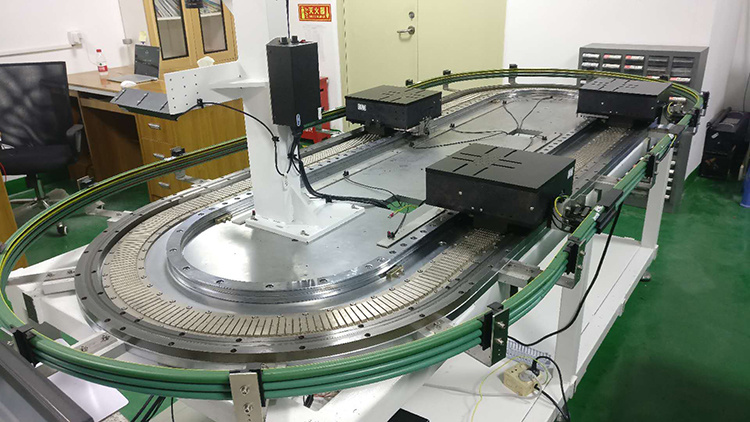

Industrial Linear Motion Solution
Got questions? – get in touch